

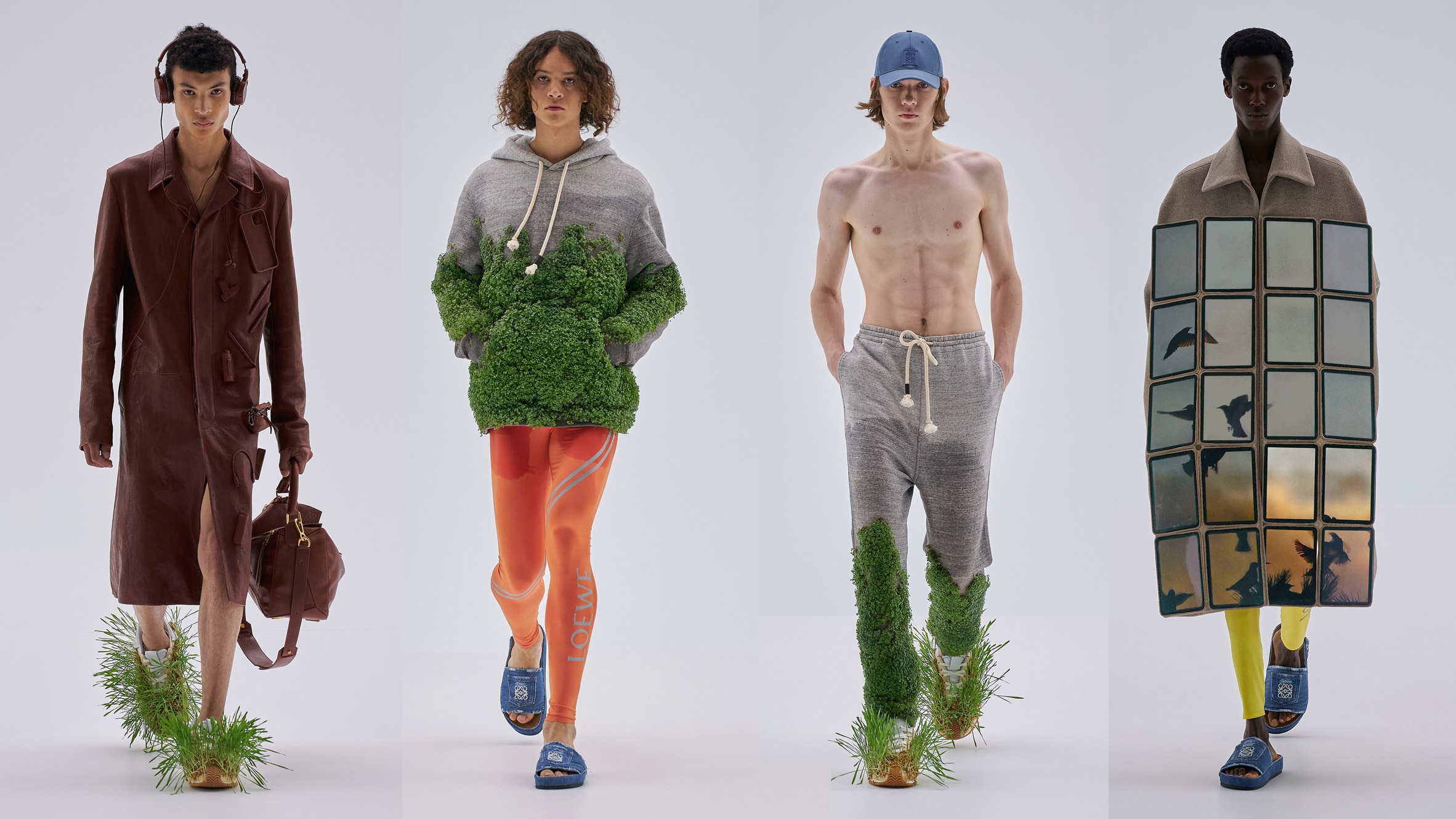
Biotechnology fashion is no longer the future of fashion—it’s already sprouting in design labs.
A Stitch in Time… Now Grows in a Petri Dish
Imagine a jacket that didn’t start its life as a bolt of fabric, but as a colony of bacteria. Or a handbag made from mushroom roots rather than cowhide. Sounds like sci-fi? It’s not. Welcome to the new wave of biotechnology fashion—where designers aren’t just sewing garments; they’re cultivating them.
Gone are the days when “innovative fashion” just meant 3D prints or recycled denim. Today, fashion marketers and forward-thinkers are paying close attention to a radical niche: brands that are literally growing clothes. This isn’t just greenwashing with a trendy twist. It’s a biotech revolution that’s redefining what it means to wear the future.
Why Grow Clothes in the First Place?
Let’s talk about the elephant in the dressing room: fashion’s environmental impact.
The traditional textile industry is a beast—responsible for around 10% of global carbon emissions and an ocean full of microplastics. Even “sustainable” brands often still rely on supply chains that leave a heavy footprint.
That’s where biotechnology fashion steps in. By using living organisms—like yeast, fungi, and bacteria—designers can bioengineer textiles that are renewable, biodegradable, and crafted without toxic waste. It’s not just about looking good; it’s about reimagining what clothing is.
1. MycoWorks: Leather from Mushrooms (That Even Hermès Approves)
Let’s start with MycoWorks, the brand behind Reishi, a luxury-grade leather alternative made from mycelium—the root structure of mushrooms.
You know they’re legit when Hermès, the pinnacle of high-end leather goods, decides to collaborate. In 2021, Hermès launched the Victoria bag with MycoWorks’ Reishi material. The texture? Buttery and robust. The vibe? Heritage meets high-tech.
What’s mind-blowing is that MycoWorks can grow a leather-like sheet in a matter of weeks in a lab—no cows, no tanning, no greenhouse gases.
2. Grown Bio: Packaging Plants… and Coats?
This Netherlands-based startup initially focused on eco-friendly packaging but recently caught fashion’s eye. Their material, also derived from mycelium, can be molded into rigid shapes or grown soft and pliable—ideal for avant-garde fashion experiments.
Imagine the design possibilities when your fabric doesn’t come from a loom but grows into the shape you want. No pattern-cutting waste. No overproduction. Just pure bio-creation.
3. Modern Meadow: Fashion from Fermented DNA
Hold onto your tote bags—Modern Meadow is doing something wild. They’re fermenting yeast cells that produce collagen, the same protein found in animal skin. But there’s no animal involved.
This “bio-leather,” called Zoa, behaves like traditional leather but is grown in vats, not harvested from cows. Fashion brands like Everlane and Adidas are reportedly eyeing the technology for its sleek look and serious sustainability cred.
4. PANGAIA: Bringing Bio to the Masses
You’ve probably seen PANGAIA on Instagram—earthy tones, soft sweats, and that signature science-y label on every garment.
But PANGAIA isn’t just a vibe; it’s a biotech fashion powerhouse. From seaweed fiber T-shirts to flower-filled puffers and AIR-INK-dyed hoodies (yes, ink made from air pollution), PANGAIA is packaging innovation for the style-conscious crowd.
They bridge the gap between lab innovation and retail-ready fashion—making bio-based clothing desirable and accessible.
5. Biocouture by Suzanne Lee: The OG of Living Fashion
Before it was cool to say “cultivated fashion,” Suzanne Lee was already growing garments from kombucha cultures. Her project, Biocouture, pioneered the idea of fermenting fashion—literally creating cellulose-based fabrics from tea, sugar, and bacteria.
The garments are fragile (think: organic parchment paper), but conceptually, they flipped fashion’s script: What if clothes were grown like food?
Lee now leads Biofabricate, connecting startups and investors to push biotech deeper into the fashion world.
Marketing Grown Fashion: A New Kind of Storytelling
From a fashion marketing lens, these bio-grown brands offer more than just sustainability—they offer story. And in a saturated market, narrative is currency.
- You’re not just buying a purse; you’re buying a lab-grown miracle of mycelium.
- You’re not wearing a T-shirt; you’re wearing a carbon-negative conversation starter.
- You’re not just into fashion; you’re part of a bio-rebellion.
Fashion marketers should take note: the era of “eco-friendly” as a buzzword is fading. The next-gen consumer wants innovation they can feel, touch, and Instagram. They crave substance, not slogans.
Biotech Isn’t Just a Trend—It’s a Textile Renaissance
Let’s be clear: biotechnology fashion isn’t a passing phase. It’s a renaissance in material culture—a new chapter that merges science, ethics, and design. It challenges the very foundation of how we source, create, and value what we wear.
Sure, growing your own wardrobe might not be mainstream yet. But the spores are spreading.
What’s Next?
Look out for:
- Algae-based dyes that require no water.
- Spider silk made without spiders.
- Clothing that repairs itself (yes, really).
As marketers, designers, and consumers, we have the rare opportunity to shape how biotech fashion unfolds. It’s not just innovation for innovation’s sake—it’s the future of wearability, responsibility, and storytelling.
Final Thread
In a world drowning in fast fashion, the quiet, methodical growth of a mushroom leather bag or kombucha jacket feels almost rebellious.
This isn’t fashion as usual.
This is living fashion.
And it’s blooming before our eyes.
Like what you read? Share this with your team or save it for your next trend forecast. The future is alive—and it’s ready to wear.