

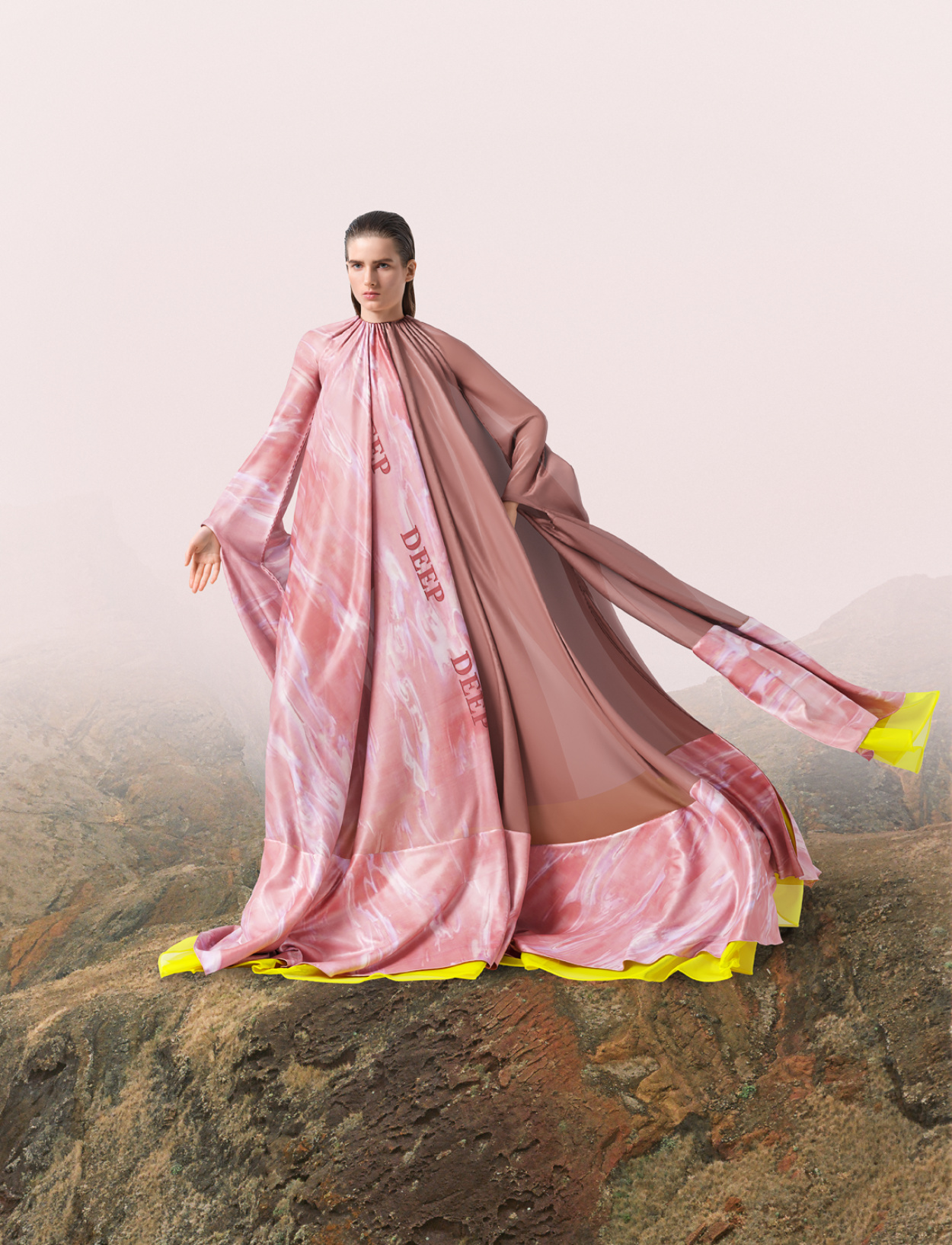
Welcome to the Next Runway: Pixels, Not Thread
Once upon a time, a designer’s big break came through a Vogue feature or a Paris runway show. Today? It could happen via a tweet of a shimmering virtual dress that only exists on the blockchain.
Yep. Fashion is no longer confined to fabric. Welcome to the era where digital fashion and NFTs are reshaping style—and not just as a fleeting trend, but as a potential cornerstone of the industry’s future.
Let’s Back Up—What Exactly Is Digital Fashion?
Imagine a jacket that changes color with your mood. Now imagine you can only wear it on Instagram, and it’s stored in your digital closet, not your bedroom.
That’s digital fashion in a nutshell: garments created entirely in 3D, designed to be worn in virtual environments—whether that’s social media, the metaverse, or your next Zoom meeting.
No shipping, no fabric waste, no dry cleaning. Just pure creativity.
NFTs: The Limited Edition Drop of the Digital World
Here’s where NFTs (non-fungible tokens) enter the chat. In the simplest terms, an NFT is a digital certificate of ownership. Think of it like a digital receipt that says, “You, and only you, own this one-of-a-kind virtual garment.”
For marketers, this unlocks a fresh frontier. Why limit exclusivity to a numbered Chanel bag when you can drop 10 limited-edition NFT dresses—each with traceable authenticity?
From Catwalks to Code: Who’s Already Doing This?
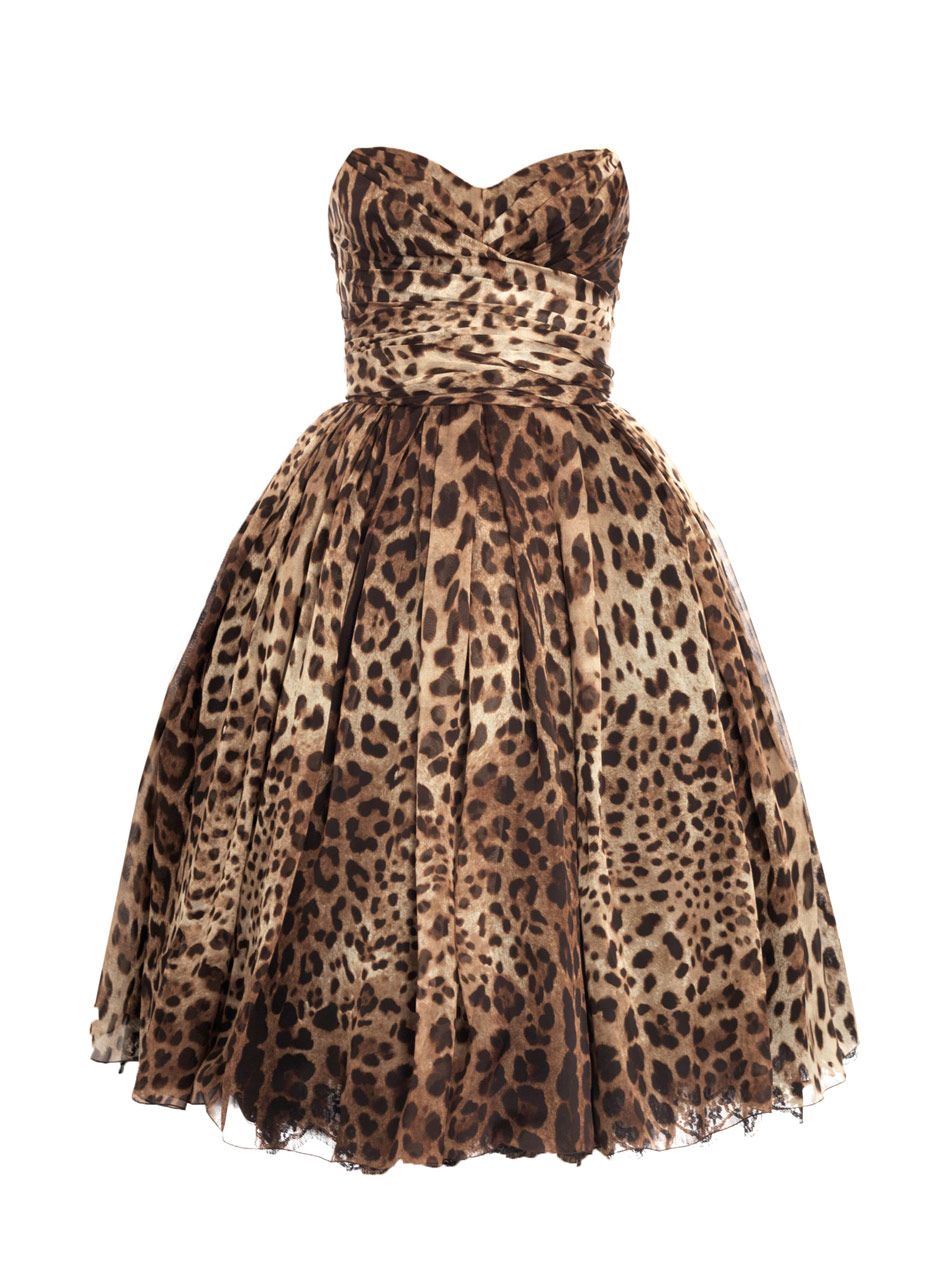
The Fabricant made headlines when it sold a virtual dress for $9,500 in 2019—before most of us could spell NFT. Meanwhile, Dolce & Gabbana launched a $6 million NFT fashion collection in 2021.
More recently, Nike’s RTFKT Studios dropped virtual sneakers that not only sold out instantly but later fetched thousands on resale markets. Yes, digital resale is now a thing.
So what’s driving this wild enthusiasm?
Spoiler alert: It’s not just about flexing online. It’s about identity, ownership, and future-proofing fashion brands.
Why Digital Fashion is More Than Just a Buzzword
Let’s break this down:
- Sustainability: Digital fashion produces 97% less CO2 than traditional fashion, according to DressX.
- Speed: No need for manufacturing lead times or shipping delays.
- Inclusivity: Digital fashion isn’t limited by body type, size, or physical ability.
- Interactivity: Imagine gamifying your marketing strategy with try-ons in AR, or collectible outfit drops.
This isn’t just a cool tech demo. It’s an entirely new ecosystem for fashion marketing.
But Will People Actually Buy Clothes They Can’t Wear?
Sounds ridiculous, right? Except… think about skins in video games. Fortnite made $50 million off virtual outfits in just two months. These aren’t “real,” but they’re real enough for millions of players.
Now apply that psychology to fashion-forward Gen Z and Alpha consumers, who already value digital presence as much—if not more—than physical appearance.
We’re talking about a generation raised on TikTok filters and Roblox wardrobes. For them, the idea of spending $200 on a digital Balenciaga hoodie isn’t crazy. It’s culture.
The Fashion Marketer’s Dilemma (and Opportunity)
So what does this mean for you, the fashion marketer, the brand builder, the trend translator?
It means you need to:
- Reimagine your product drops.
- Invest in digital lookbooks and 3D asset creation.
- Explore NFT partnerships and collaborations.
- Start marketing to avatars, not just humans.
It’s not about replacing physical fashion. It’s about expanding it. Digital fashion allows brands to test ideas faster, tell richer stories, and unlock entirely new revenue streams.
Case Study: Burberry, Mythical Games & the NFT Boom
In 2021, Burberry launched NFTs within a video game, Blankos Block Party. The branded sharky B skin sold out in 30 seconds.
The real genius? The campaign wasn’t just about the NFT. It connected Burberry to a younger, digital-native audience in an interactive world where they already were.
Smart marketing? Absolutely. And a masterclass in meeting your audience where they live—literally and virtually.
The “Phygital” Future: Where Digital Meets Physical
Expect more “phygital” experiences—where buying a real-world jacket also gives you its NFT twin. Or where NFT holders get VIP invites, exclusive drops, or IRL access.
Think of it as the new loyalty program meets streetwear hype culture.
Imagine:
- A luxury handbag with an embedded NFC chip linking to its digital NFT twin.
- A digital fashion show where every attendee receives a wearable NFT.
- Limited NFT drops that grant access to secret store locations or private sales.
Final Thoughts: Will Digital Fashion Replace Traditional Style?
Probably not. At least not fully. But will it coexist with physical fashion, influencing how we create, market, and consume style?
Absolutely.
Fashion has always been a mirror to culture—and culture is increasingly digital. As we enter an era of augmented realities and AI avatars, the next generation of style will be just as much about pixels as it is about pattern cuts.
So, whether you’re a designer, a marketer, or just a curious onlooker, remember this:
The future of fashion isn’t just being worn—it’s being coded.
TL;DR: Key Takeaways for Fashion Marketers
- Digital fashion is the design of virtual garments for avatars, social media, and AR.
- NFTs enable exclusive digital ownership and collectible value.
- Brands like Nike, Burberry, and D&G are already profiting from digital fashion.
- Marketing strategies must shift toward virtual engagement, storytelling, and gamification.
- The future isn’t just digital—but it’s definitely not just physical anymore.
Need help positioning your brand for the digital fashion frontier? Let’s talk strategy. 👗✨