



The Front Row Has Moved… to Your Screen
There was a time when fashion week meant crowded backstage chaos, a flood of street style photographers outside the venue, and a mad dash to find your seat before the lights dimmed. But the fashion world—forever allergic to stagnation—did something radical in recent years. It digitized the runway.
We’re not just talking about livestreams or Instagram recaps. Virtual fashion shows have become immersive, boundary-breaking events that are redefining how we experience fashion, sell clothes, and market creativity.
The Turning Point: When Digital Became Desirable
The tipping point came, of course, in 2020. When the world shut down, so did traditional runways. But instead of canceling, the fashion industry adapted—fast. Brands like Balmain, Prada, and Hanifa proved that the future wasn’t postponed—it was just going online.
Hanifa’s groundbreaking 3D virtual fashion show, featuring invisible models walking in curvy, animated garments, didn’t just go viral. It redefined what a show could be. No venue. No front row. No gatekeepers. Just fashion, unfiltered, and unforgettably fresh.
What Exactly Is a Virtual Fashion Show?
Let’s be clear: this isn’t just streaming a model walk on YouTube.
Think:
- Digitally-rendered models walking in fully 3D environments
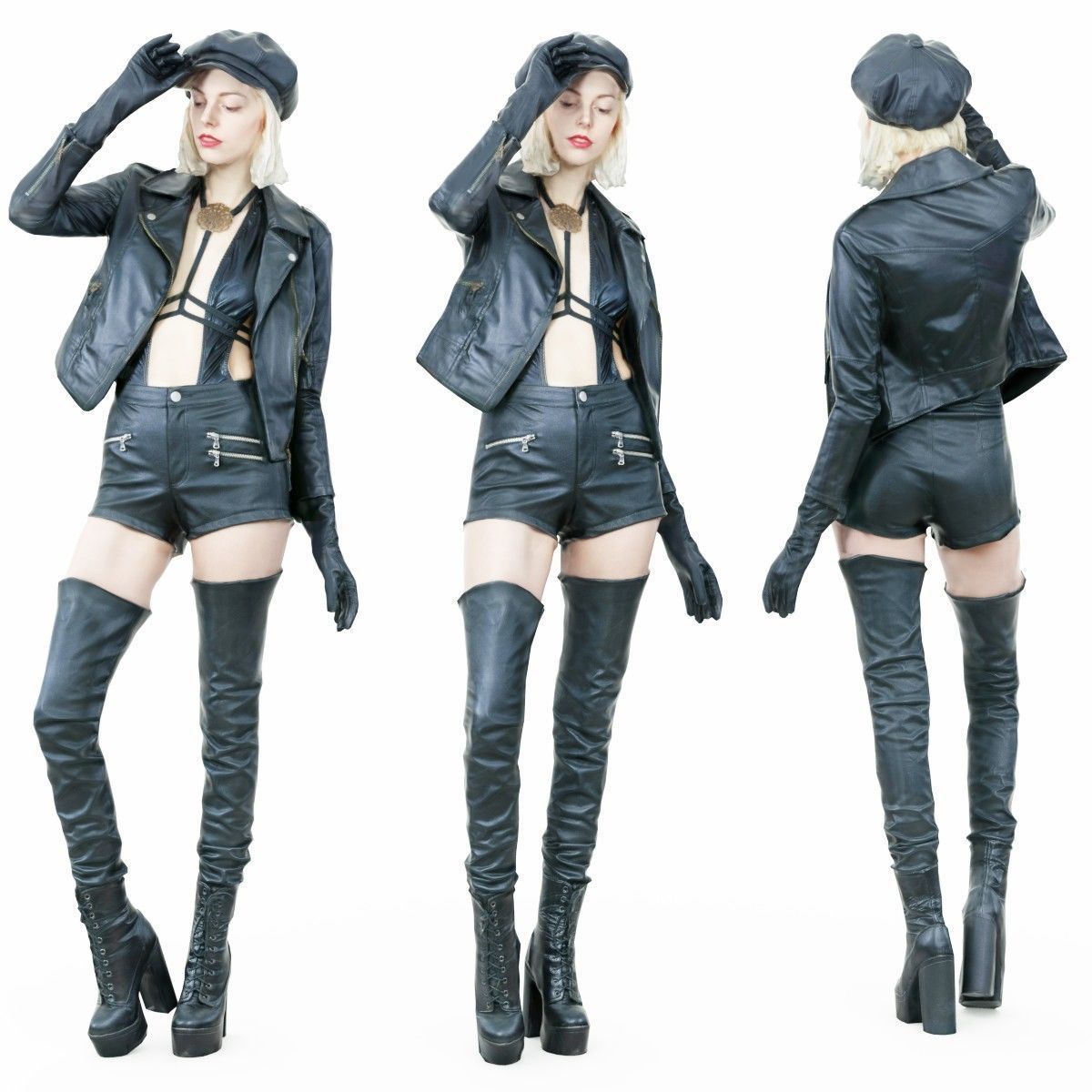
- CGI garments designed entirely in CLO3D or Marvelous Designer
- Interactive experiences where the audience can click, rotate, zoom in on garments
- AR filters letting users try on the look from their phones
- Metaverse-based fashion weeks in places like Decentraland or The Fabricant Studio
This is fashion marketing on steroids—where narrative, tech, and aesthetics intersect.
Why Fashion Marketers Should Care
Because this isn’t just a tech trend. It’s a new storytelling platform.
With virtual fashion shows, brands control everything. The lighting. The camera angles. The narrative arc. No last-minute rain ruining the catwalk. No bad seats. No unpredictable influencers. Just pure brand vision, translated into cinematic digital form.
And here’s the kicker—digital shows don’t just reach more people. They collect data. Heatmaps, user clicks, engagement rates, dwell time. Welcome to fashion marketing’s new playground.
From Hype to Strategy: Who’s Doing It Right?
Let’s give credit where it’s due:
- Balenciaga’s Afterworld: The Age of Tomorrow wasn’t just a show—it was a video game. Viewers explored a futuristic landscape and unlocked looks along the way.
- Ralph Lauren x Snapchat created a virtual try-on experience with Bitmojis donning full RL outfits. That’s fashion meeting fandom.
- Tommy Hilfiger created a virtual runway inside Roblox, tapping into a massive Gen Z audience that doesn’t even watch traditional runway shows.
These aren’t gimmicks. They’re calculated, branded experiences with measurable ROI.
The Democratization of Fashion
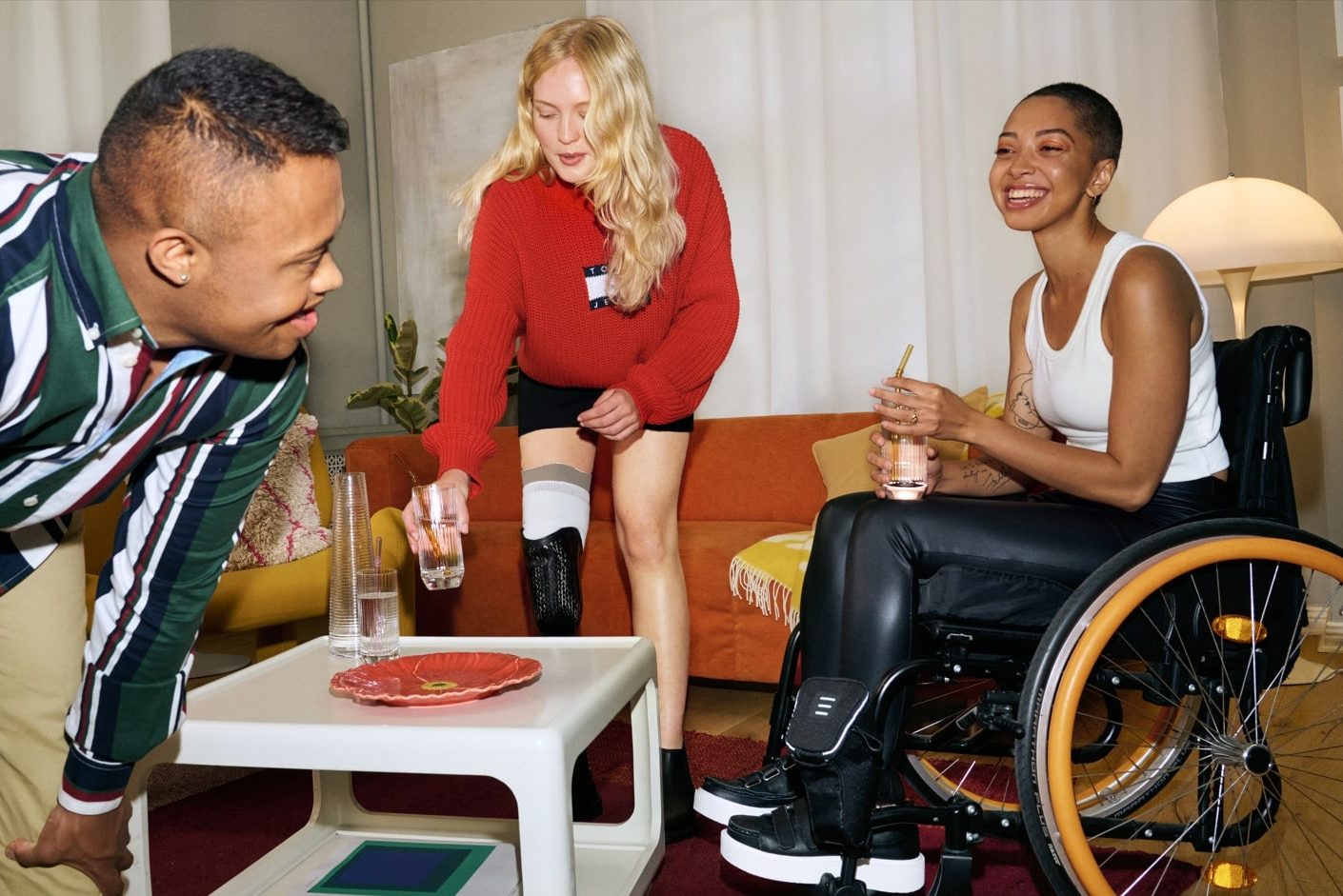
The front row is no longer just for Anna Wintour and your favorite style bloggers. Virtual runways open the doors wide. Whether you’re in Paris or Pretoria, anyone with a phone can now attend Fashion Week.
This inclusivity isn’t just ethical—it’s strategic. A broader audience means broader reach. And broader reach means more potential customers who’ve already emotionally connected with your brand before they even click “Add to Cart.”
The Creative Freedom Is Wild
Let’s be honest—real-world runways come with limitations. Venues have rules. Gravity exists. Budgets cap out.
But in the digital realm?
- Models can walk on water.
- Garments can change color mid-stride.
- Cities can float.
- Your runway can be in space, underwater, or inside a surrealist dreamscape.
For fashion marketers, this is a golden age for creative campaigns that don’t just sell clothes but tell stories.
But Let’s Not Pretend There Aren’t Challenges
Of course, it’s not all digital glitter.
- Some argue that virtual fashion shows lack the emotional punch of live events.
- Smaller brands might struggle with the cost of creating high-quality 3D assets.
- There’s also the risk of “tech for tech’s sake”—where gimmicks overshadow the garments.
Smart marketers walk the line between innovation and authenticity. Because at the end of the day, the clothes still have to speak.
So… Are Physical Runways Dead?
Not quite.
What we’re seeing is not replacement, but reinvention. Hybrid shows—part live, part virtual—are becoming the norm. Fashion is finally embracing the idea that digital isn’t second best. It’s different, and when done right, it’s just as emotionally resonant.
Looking Ahead: The Rise of Digital-Only Collections
We’re entering a time when some fashion houses are dropping collections made entirely for avatars. That’s right—digital clothes for digital lives. Think gaming skins, metaverse outfits, virtual luxury goods.
Brands like DressX and The Fabricant are already making waves in this space. And with Gen Z and Gen Alpha spending more time in digital spaces than physical malls, the marketing potential is massive.
Final Stitch: Virtual Runways Are Here to Stay
Fashion has always been about fantasy. About dreaming bigger. Bolder. Stranger. Virtual fashion shows don’t erase the magic of the runway—they evolve it.
For marketers, this is more than a moment. It’s a movement.
So whether you’re designing a digital lookbook, creating AR shopping tools, or launching a virtual show in a digital colosseum—the question is no longer “Should we?” but “How far can we go?”
✨ Want more insights like this?
Subscribe for weekly breakdowns on the future of fashion marketing—where tech meets texture, and innovation walks the runway.