

Mood rings, meet the runway.
If you think color-changing clothes are just sci-fi fantasy or Instagram gimmickry, think again. Smart fabrics that shift hues based on your emotional state are not just real—they’re redefining how we experience fashion.
Welcome to the brave, bold world of emotion-responsive fashion.
What Exactly Are Smart Fabrics?
Before we dive into the mood-sensing magic, let’s get the basics straight.
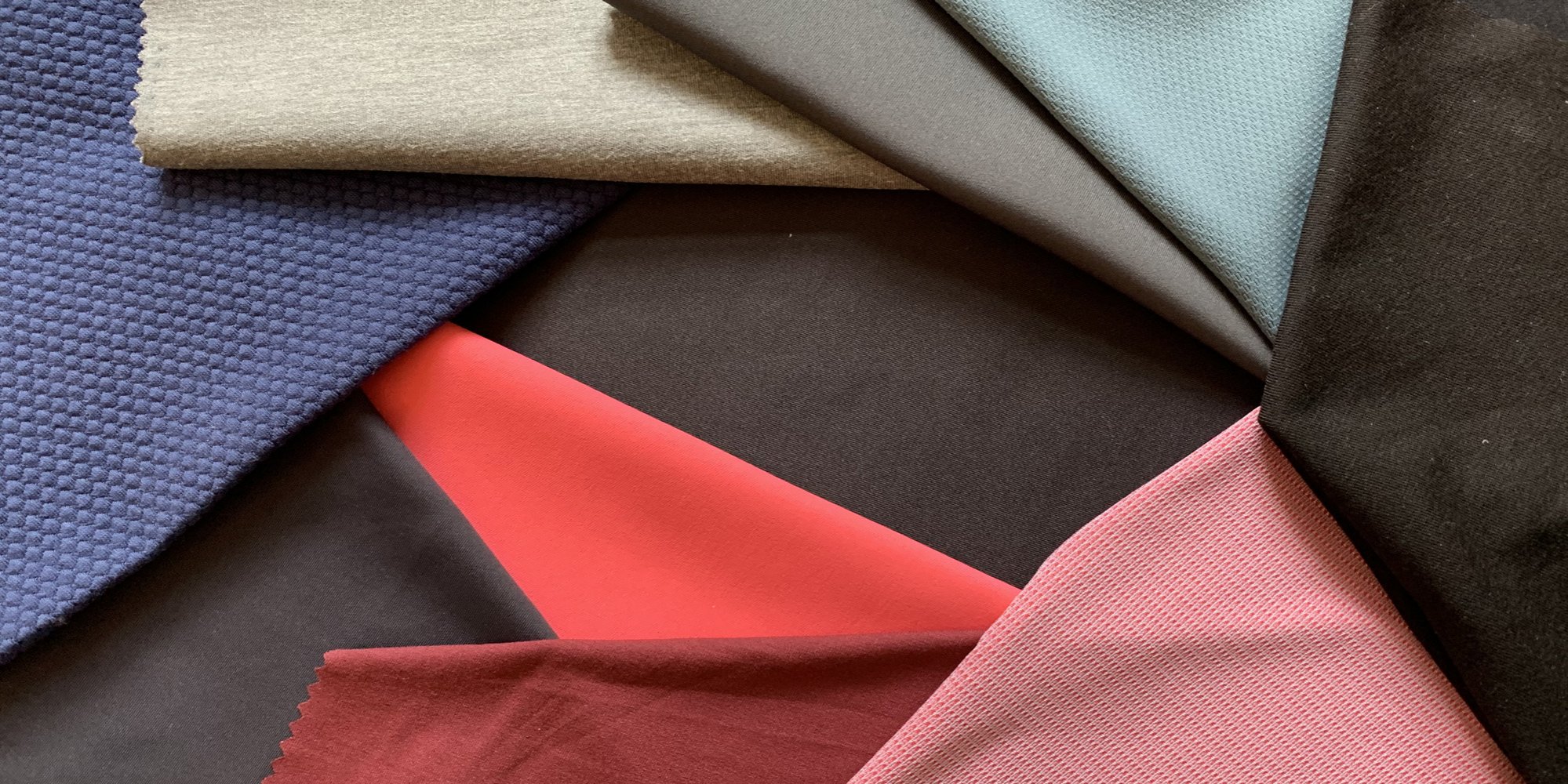
Smart fabrics (also known as e-textiles or intelligent textiles) are materials embedded with technology that allows them to respond to stimuli like heat, light, movement—or, in this case, emotional cues. These aren’t your grandma’s cottons or silks. They’re textiles with a brain.
From temperature-regulating jackets to heart-monitoring sportswear, smart fabrics are already walking among us. But color-changing moodwear? That’s where things get deliciously futuristic.
The Mood-Color Connection: Not Just Vibes, But Data
Here’s where it gets fascinating. These color-shifting garments don’t just guess your mood. They read it.
Using biosensors, the smart fabric monitors data points like:
- Heart rate variability
- Body temperature
- Galvanic skin response (aka how sweaty you are)
This biometric data is then interpreted by microprocessors embedded in the clothing. And voilà—your shirt turns deep blue because you’re calm… or flashes crimson when you’re furious. It’s like a live-stream of your inner world, broadcast through your outfit.
Imagine a dress that knows you’re nervous before you do—and turns a soft lavender to calm you down. That’s not magic. That’s design meeting data.
Who’s Doing It? Meet the Pioneers
You might be wondering, “Is anyone actually making this stuff?” Spoiler: yes, and they’re not playing.
The Unseen by The Unseen
This London-based studio blends fashion, science, and alchemy. Their pieces have been exhibited in the V&A Museum and feature fabrics that respond to emotion, light, and even air pollution.
One standout? A color-shifting leather jacket that changes tone depending on adrenaline levels. The faster your heart races, the more vivid it becomes.
Sensible Technologies + Chromorphous
Chromorphous is a project that’s been bubbling under the surface for years—a smart fabric that changes color on command via an app. While not strictly mood-driven yet, the technology is laying the groundwork for emotion-based transitions.
MIT Media Lab Experiments
Trust MIT to mix code and couture. They’ve developed “Second Skin” prototypes that use shape-memory alloys and thermochromic pigments—fabrics that react to body heat and motion to change appearance. The emotional data layer? That’s what’s coming next.
Why This Matters for Fashion Marketers
Let’s talk value proposition. Why should fashion marketers care?
Because this isn’t just tech novelty. It’s a shift in how consumers connect emotionally with clothing.
✨ It Makes Fashion Personal Again
We’re entering an era where clothing doesn’t just reflect style—it mirrors identity in real-time. A dress that reveals your mood becomes a talking point, a social signal, even a status symbol.
🚀 It Unlocks Viral Potential
Imagine a TikTok challenge featuring couples wearing mood-reactive clothes on first dates. Or influencers live-streaming while their hoodies pulse in neon when they get nervous. This is wearable storytelling made for the digital age.
💡 It Pushes Brand Innovation
Smart fabrics give forward-thinking brands a massive opportunity to lead. Whether it’s through customizable colorways, biofeedback integrations, or AR/VR pairing, this tech is a branding playground.
Real-World Scenarios: Where Emotion Meets Fabric
Let’s dream a little. Here’s how smart fabrics could soon shape your next campaign:
- Retail Therapy Redefined: Smart garments that shift to calming tones while shopping—encouraging relaxation and longer browse times.
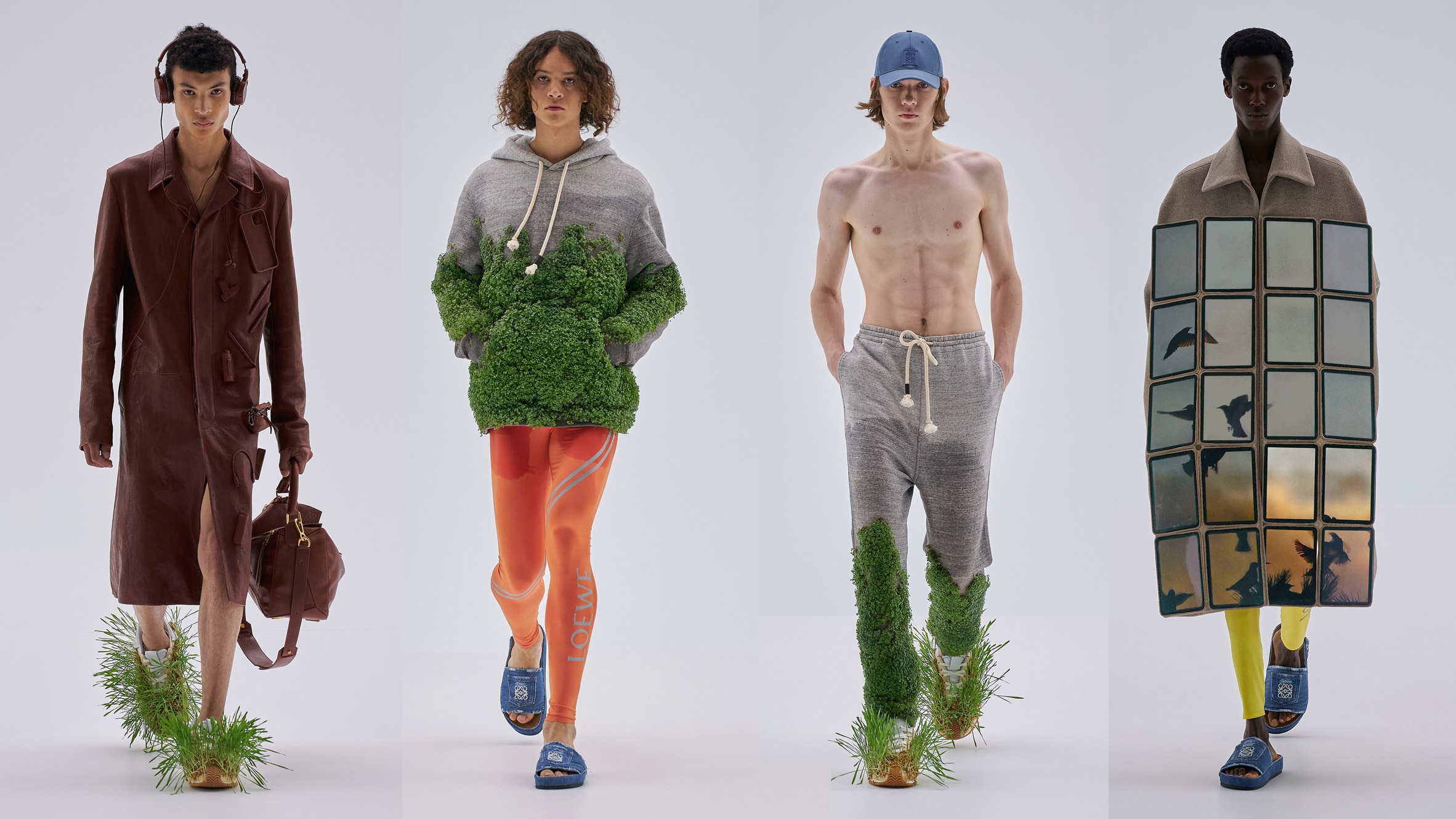
- Runway Shows That React: Models walk down the runway and their outfits morph colors based on the energy in the room (crowd applause? BPM?).
- Workwear That Protects: Uniforms that detect stress and visually signal when a break is needed—ideal for healthcare or high-pressure industries.
But Wait… Is This Ethical?
With great power (and high-tech garments) comes great responsibility. If your clothing broadcasts your emotions, who owns that data? Can it be hacked? Could moodwear be manipulated for targeted ads?
These are not just hypotheticals—they’re real considerations for fashion marketers, designers, and technologists alike. The future looks brilliant, but it also needs guardrails.
What’s Next? From Novelty to Necessity
Right now, mood-sensing smart fabrics are mostly niche—more museum piece than mall rack. But if history tells us anything (remember when smartwatches were weird?), mainstream adoption is only a matter of time.
As technology gets cheaper and consumers demand more personalized experiences, fashion will become not just smart, but emotionally intelligent.
TL;DR: Why Fashion Marketers Should Pay Attention
- Smart fabrics that change color with mood are real and emerging fast.
- They bridge the gap between fashion and emotional storytelling.
- Early adopters can drive viral engagement, brand differentiation, and customer loyalty.
- It’s not just about clothing—it’s about creating a living, feeling brand experience.
🔮 Final Thought:
In a world where attention is currency, imagine a product that not only catches the eye—but changes with the heart.
Fashion isn’t just what you wear. Now, it’s how you feel.
Got ideas for integrating smart fabrics into your next campaign? Or want help crafting an emotionally intelligent fashion brand story? Let’s talk strategy.