




A pair of diamond earrings can look beautiful in a photograph but feel completely different once worn. Sometimes the problem is an uncomfortable fastening. Other times, the setting catches on clothing, or the earrings simply feel heavier than expected.
For New Zealand shoppers considering lab-grown diamond earrings, appearance is only part of the decision. The size of the stones, quality of the setting, metal composition and everyday comfort all deserve attention.
Understanding these details makes it easier to choose jewellery that looks good and suits the way it will actually be worn.
Lab-Grown Diamonds Offer More Than Visual Appeal
Laboratory-grown diamonds have the same essential chemical composition and crystal structure as natural diamonds. The main difference is their origin.
Natural diamonds form underground through geological processes, while laboratory-grown diamonds are produced in controlled environments.
Two established production methods are high-pressure, high-temperature (HPHT) and chemical vapour deposition (CVD). Both create genuine diamond material rather than imitations such as cubic zirconia.
This distinction matters when comparing jewellery. A laboratory-grown diamond can offer the same optical qualities associated with natural diamonds, although the appearance of an individual stone still depends on its cut and other characteristics.
Lab-grown stones are also generally available at lower prices than comparable natural diamonds. That can give shoppers greater flexibility when choosing earring size, design and precious metal.
However, a lower price does not automatically mean better value. The finished jewellery still needs to be well made.
Why Carat Weight Does Not Tell the Whole Story
Carat weight is one of the first specifications people notice when shopping for diamond earrings. It is useful information, but the number can be misunderstood.
Earrings are commonly sold using total carat weight, which describes the combined weight of the diamonds in a pair.
For example, a pair advertised as one carat total weight will typically contain two diamonds weighing approximately 0.50 carats each, assuming each earring has one equally sized stone.
That is quite different from buying two one-carat diamonds.
Physical dimensions also influence appearance. Two stones with similar carat weights may have slightly different measurements because of their proportions.
For everyday earrings, it helps to compare the diameter in millimetres rather than relying on carat weight alone.
Smaller studs can look balanced and understated. Larger stones create a more noticeable appearance but may require settings designed to keep them sitting comfortably against the earlobe.
The better choice depends on personal preference, ear anatomy and how often the earrings will be worn.
The Setting Can Change How Earrings Feel
A diamond may attract the initial attention, but the setting determines how it is held against the ear.
Different designs offer practical advantages worth considering.
Claw settings and bezel settings
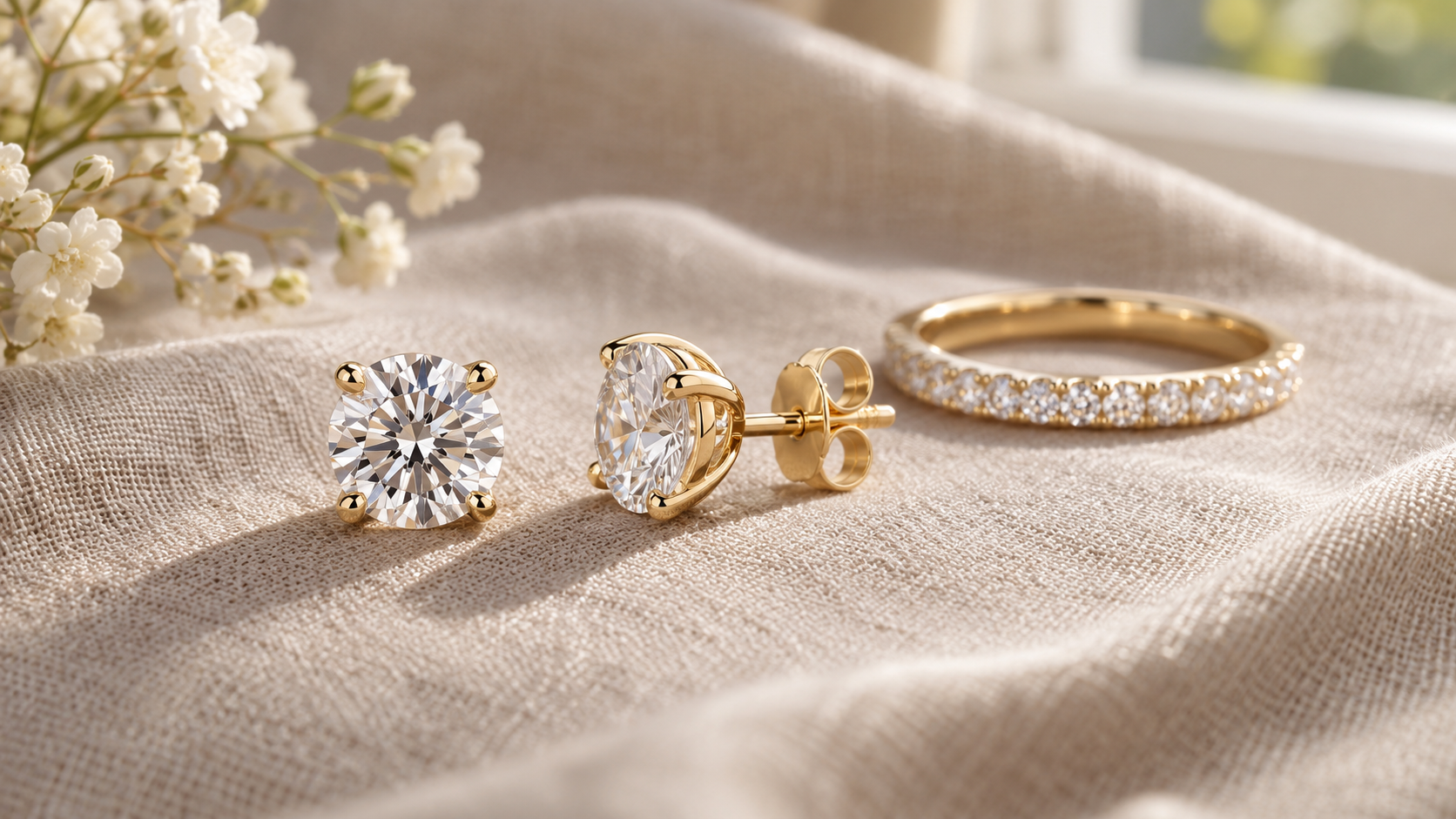
Traditional claw settings hold a diamond using small metal prongs. They allow much of the stone to remain visible and are widely used for solitaire diamond studs.
A bezel setting surrounds the diamond with a metal rim. Its smoother outer edge may appeal to people who prefer jewellery that is less likely to catch on clothing.
Neither option is automatically better. The quality of construction and the wearer’s preferences matter more than the setting name.
Earring backs deserve attention
Fastenings are easy to overlook when choosing jewellery online.
Push backs are convenient and familiar, while screw backs require a twisting action to attach or remove. Screw backs may appeal to those seeking a more deliberate fastening, although some people find them less convenient.
For hoops, the hinge and clasp should also be examined.
A secure fastening is particularly important for earrings worn during commuting, travelling or busy workdays.
Choosing a Metal That Suits Your Skin
Diamond quality receives considerable attention, but the metal holding the stone comes into direct contact with the skin.
Gold earrings are available in different purities, including 9ct, 14ct and 18ct. These figures describe the proportion of gold in the alloy.
For example, 18ct gold contains 75% gold, while the remaining portion consists of other metals.
Those additional metals affect the colour, durability and other properties of the finished jewellery.
White gold and yellow gold can both complement colourless diamonds, although their appearance differs.
People with sensitive ears should pay particular attention to metal composition. Nickel is a recognised cause of contact allergy, and some jewellery alloys may contain it.
Rather than assuming that every gold or white-gold product is suitable for sensitive skin, ask the retailer about the materials used in the posts and fastenings.
Diamond Quality Is Worth Checking Beyond the Label
A description such as premium quality sounds reassuring, but it is more useful to understand what the seller is actually describing.
Traditional diamond assessment considers four characteristics: cut, colour, clarity and carat weight.
Cut influences how effectively a polished diamond reflects and returns light. Colour and clarity describe other visible characteristics, while carat measures weight.
Independent diamond reports can provide useful information about these qualities and confirm whether a stone is laboratory-grown.
The International Gemological Institute (IGI), for example, issues laboratory-grown diamond reports that document identifying and quality characteristics.
Grading practices also change. In October 2025, the Gemological Institute of America (GIA) introduced an updated system using Premium and Standard quality assessments for eligible laboratory-grown diamonds.
That makes it sensible to check which laboratory issued a document and what its terminology means.
Not every small diamond in a finished pair of earrings will necessarily have an individual grading report. Shoppers should ask what documentation is supplied and whether the stated specifications apply to individual stones or the pair.
Thinking About Earrings Alongside Wedding Jewellery
Diamond earrings are frequently considered for weddings, anniversaries and other meaningful occasions.
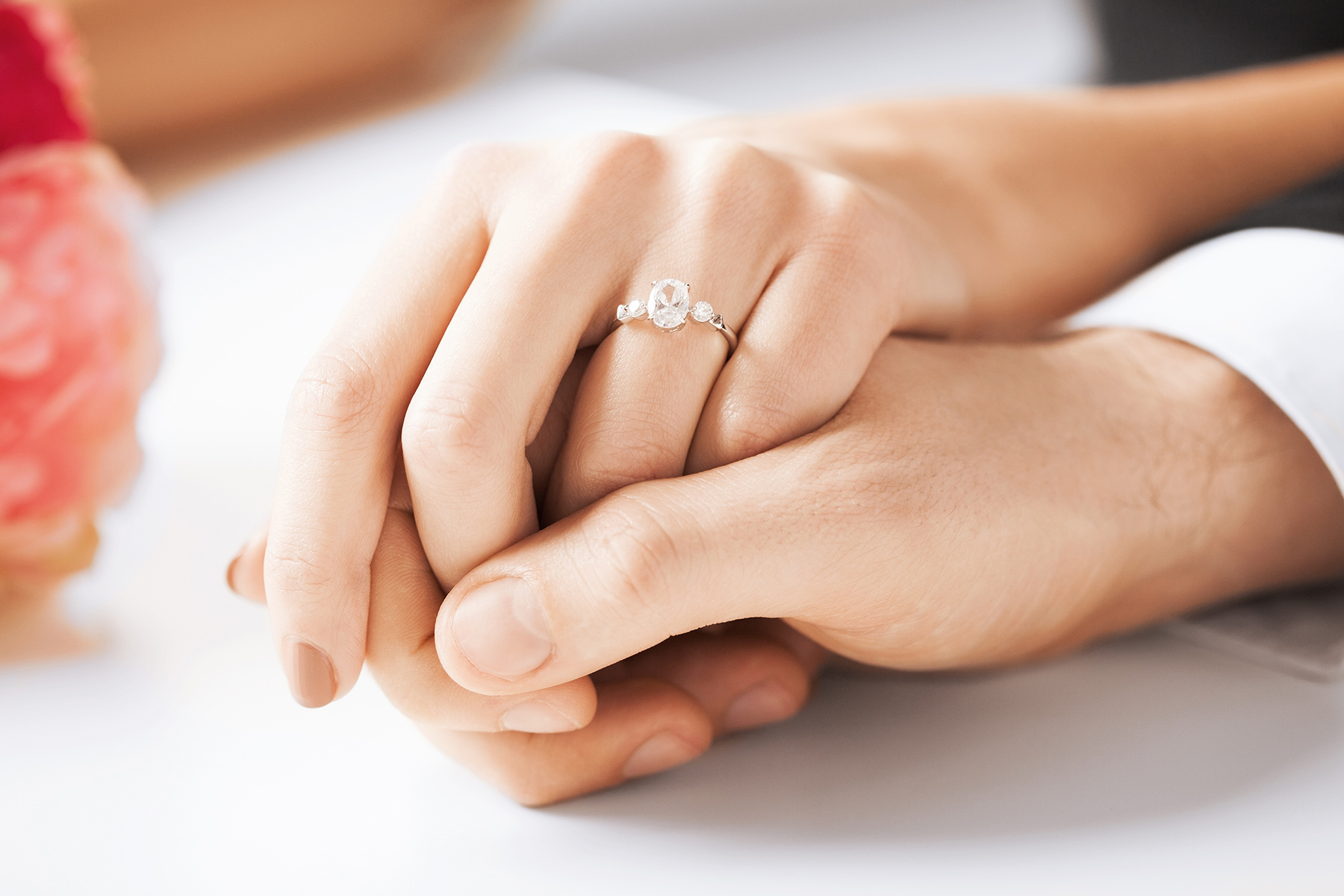
A simple pair of studs can complement a detailed engagement ring without making the overall appearance feel too busy. Matching the metal colour may create a coordinated effect, although mixing metals can work equally well.
Couples exploring man made diamonds as part of their wedding jewellery choices can also consider how diamond-set bands and earrings fit into their everyday style.
A wedding band needs to sit comfortably on the finger, just as earrings need to feel balanced against the ear.
Choosing pieces that remain comfortable long after the celebration is often more useful than focusing only on how they appear in wedding photographs.
What New Zealand Shoppers Should Check Before Ordering
Buying jewellery online allows customers to compare designs, materials and diamond specifications without visiting several stores.
However, photographs alone cannot explain how a pair of earrings will fit or feel.
Browsing a collection of diamond earrings can help shoppers identify suitable styles, but checking individual product information remains essential.
Before making a purchase, consider these questions:
- Is the listed carat weight for both earrings or each stone?
- Are the metal type, diamond measurements and fastening clearly described?
- Is independent diamond documentation provided where appropriate?
- Does the price include GST and any applicable delivery charges?
- What are the expected delivery dates and return conditions?
- Is the seller operating in New Zealand or sending the product from overseas?
New Zealand’s Consumer Guarantees Act provides protections for eligible purchases from businesses trading in New Zealand. Products must meet requirements relating to acceptable quality, descriptions and fitness for purpose.
The Fair Trading Act also protects shoppers against misleading representations.
Purchases from overseas sellers can involve additional complications, particularly when a problem needs to be resolved across borders.
A New Zealand website address alone does not establish where the seller operates, so it is worth checking the business details before ordering.
Environmental Claims Need More Than Reassuring Words
Lab-grown diamonds are sometimes promoted using terms such as sustainable, ethical or environmentally friendly.
These descriptions should not be accepted without supporting information.
Laboratory diamond production requires energy, and its environmental effects can vary according to factors such as electricity sources and manufacturing processes.
Natural diamond production has a different set of impacts, including those associated with mining.
Neither category should automatically be presented as environmentally harmless.
New Zealand’s Commerce Commission expects businesses to support environmental claims with reliable evidence. Shoppers can apply the same principle by asking what a particular claim covers and how it has been verified.
Caring for Diamond Earrings Over Time
Diamonds are highly resistant to scratching, but that does not make finished earrings immune to damage.
The metal settings, posts and fastenings can bend, loosen or wear through regular use.
A little attention can help prevent avoidable problems.
Remove earrings when their design could catch on clothing or equipment. Store pairs separately to reduce unwanted contact between stones and metal surfaces.
For suitable jewellery, gentle cleaning with mild soap, lukewarm water and a soft brush can remove ordinary build-up. Always check the retailer’s care instructions first, particularly for delicate settings.
It is also worth having loose stones, worn claws or unreliable fastenings examined by a qualified jeweller rather than attempting repairs at home.
Jewellery That Works Beyond the First Impression
The most satisfying diamond earrings are not necessarily the largest or most expensive pair.
A well-balanced design, secure fastening, suitable metal and clearly documented diamond quality can make a greater difference over years of use.
For New Zealand buyers, comparing these everyday details alongside appearance and price gives a more complete picture of what they are purchasing.
A pair chosen with daily comfort in mind is more likely to become jewellery that is worn and enjoyed, rather than something saved indefinitely for special occasions.