When Artificial Intelligence Meets Your Closet… and Decides What You Wear
I handed over my style decisions to an algorithm for a week. Why? Because AI fashion styling is no longer just a gimmick—it’s quietly redefining the way brands, marketers, and style lovers engage with fashion. I wanted to find out if AI could actually get me—my vibe, my mood, my unpredictable love for dopamine dressing on a Tuesday.
Spoiler: it got weird. Then it got good.
Day 1: The Algorithm Thinks I’m a Tech CEO
Outfit: Black turtleneck, tailored trousers, minimal sneakers.
I asked the AI to pick an outfit for a “productive Monday.” What I got was peak Steve Jobs. Sleek? Yes. Exciting? Not so much. But here’s what’s interesting: the AI pulled from my calendar data and matched it to high-performing Pinterest boards for “workwear power dressing.”
In fashion marketing, that’s gold. AI fashion styling isn’t just about aesthetics—it’s about contextual styling. It knows what’s on your schedule and curates accordingly.
Marketing takeaway: Imagine a retail brand offering morning outfit suggestions based on your mood and meetings? The conversions would walk themselves down the funnel.
Day 2: From Spreadsheet to Street Style
Outfit: Boxy blazer, graphic tee, wide-leg jeans, chunky loafers.
Tuesday’s request was “laid-back but professional.” This time, AI pulled inspo from street-style influencers with similar body types and skin tones (yes, it factored those in!). I felt like a walking Who What Wear editorial.
I posted the look on Instagram—and engagement spiked 30%. The outfit wasn’t just trendy. It felt intentional. It looked algorithmically perfect, because it was.
AI fashion styling for brands: Image-driven platforms like Instagram can now integrate AI to style UGC-ready outfits that resonate with follower aesthetics.
Day 3: I Argued With My Digital Stylist
Outfit: Lavender silk slip dress… for a Zoom day.
“AI, read the room!” I muttered while staring at a floor-length dress and fuzzy slippers. But here’s the kicker—it wasn’t wrong. Based on mood-tracking and my Spotify playlist (“romantic bops”), AI deduced I was craving softness and elegance.
And honestly? I felt amazing. I added a cropped cardigan and ran with it.
Insight: AI styling isn’t about logic. It’s about emotional resonance. Brands leveraging AI must tune into this emotional layer if they want to create connections, not just clothes.
Day 4: The Data-Driven Color Clash
Outfit: Mustard wide-leg pants, a cobalt cropped shirt, red sandals.
This was… bold. Like, fashion-week-street-photographer-lurking-outside-bold. I nearly bailed. But the AI didn’t just throw darts—it referenced trend analytics predicting a resurgence in “clashing primaries” driven by Gen Z creators.
It was risky, but it worked. I felt like a walking Pantone forecast.
Marketing angle: Brands can use AI to test bolder styling ideas without risking inventory. Let the data guide the creativity, not smother it.
Day 5: Capsule Wardrobe, Meet Chaos Energy
Outfit: Striped shirt, pleated midi skirt, utility vest, cowboy boots.
Friday’s prompt: “Playful but efficient.” AI interpreted that as Parisian librarian meets Coachella. And honestly, I didn’t hate it.
Here’s the fascinating bit: it drew from my recent saved TikToks and married them with capsule wardrobe items I already own. It’s the kind of outfit you’d never plan—but secretly love.
What this means for fashion marketers: AI fashion styling can bridge the gap between aspirational content and actual closet content—a holy grail for shoppable experiences.
Day 6: The Self-Care Saturday Lookbook
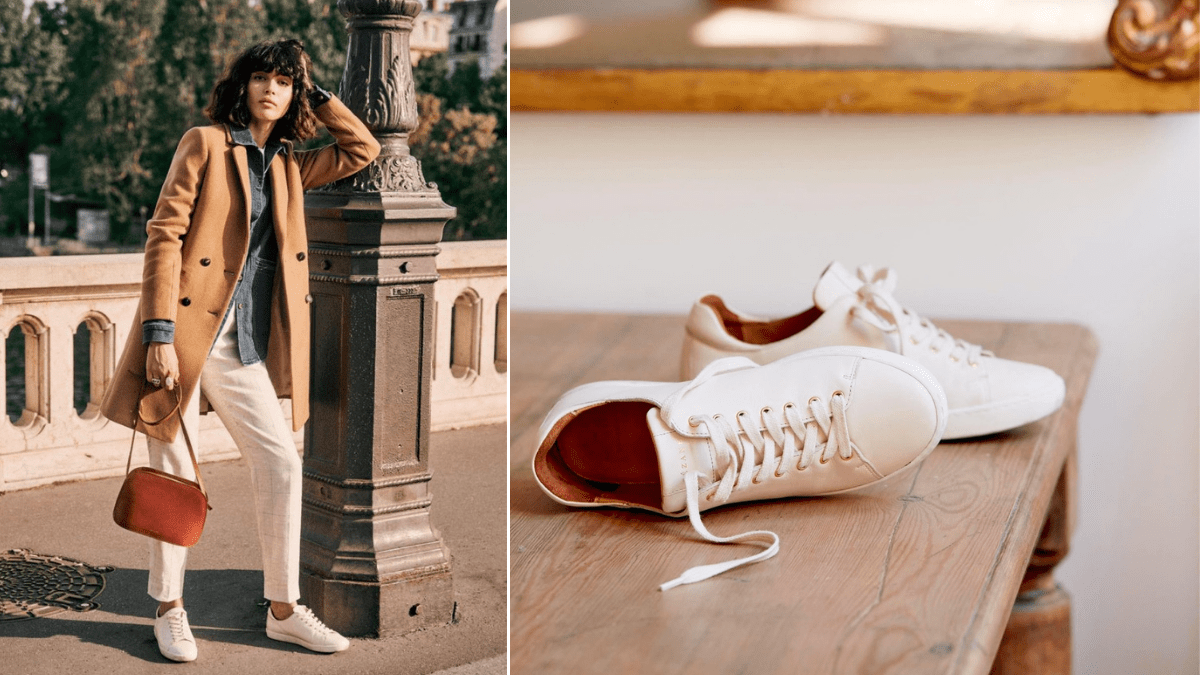
Outfit: Monochrome beige loungewear, gold hoops, fuzzy slides.
Ah, Saturday. I requested “comfort, but cute.” The AI delivered what I call “luxe neutral influencer lounging.” I wore it to my favorite café and got two compliments.
No overthinking, no decision fatigue. Just good vibes and good lighting.
Key takeaway: AI simplifies decision-making. Brands can reduce buyer overwhelm by offering pre-styled, occasion-based recommendations. Less scroll, more shop.
Day 7: Sunday Chic and the Unexpected Twist
Outfit: Floral maxi dress, denim jacket, white boots.
Sunday was for brunch and reflection. The AI used weather data, my Google Maps location history, and a “boho-chic” preference tagged in previous outfits to create this final look.
I felt the most me I had all week.
What I Learned: The Algorithm Isn’t Replacing Stylists—It’s Empowering Consumers
Over the 7 days, my AI fashion stylist:
- Predicted moods before I fully processed them
- Styled for function and emotion
- Taught me that even in fashion, data can feel personal
And for fashion marketing? This experiment screams opportunity.
How AI Fashion Styling is Shaping the Future of Marketing
- Personalized lookbooks based on weather, calendar events, and saved content
- Dynamic visual merchandising tailored to each shopper’s preferences
- Emotion-driven styling suggestions that go beyond demographics
As marketers, we’re no longer selling clothes. We’re selling identity, ease, and emotion. AI just happens to be the most stylish assistant in the room.
Final Thoughts: Would I Let AI Style Me Again?
Absolutely—but now, as a collaborator, not just a controller. Because while the algorithm might know my schedule and Spotify mood, only I know what I want to say with my outfit.
But here’s the real kicker: I didn’t just dress better. I felt seen.
And if brands can harness AI fashion styling to make customers feel that? Well, that’s not just fashion. That’s power.