
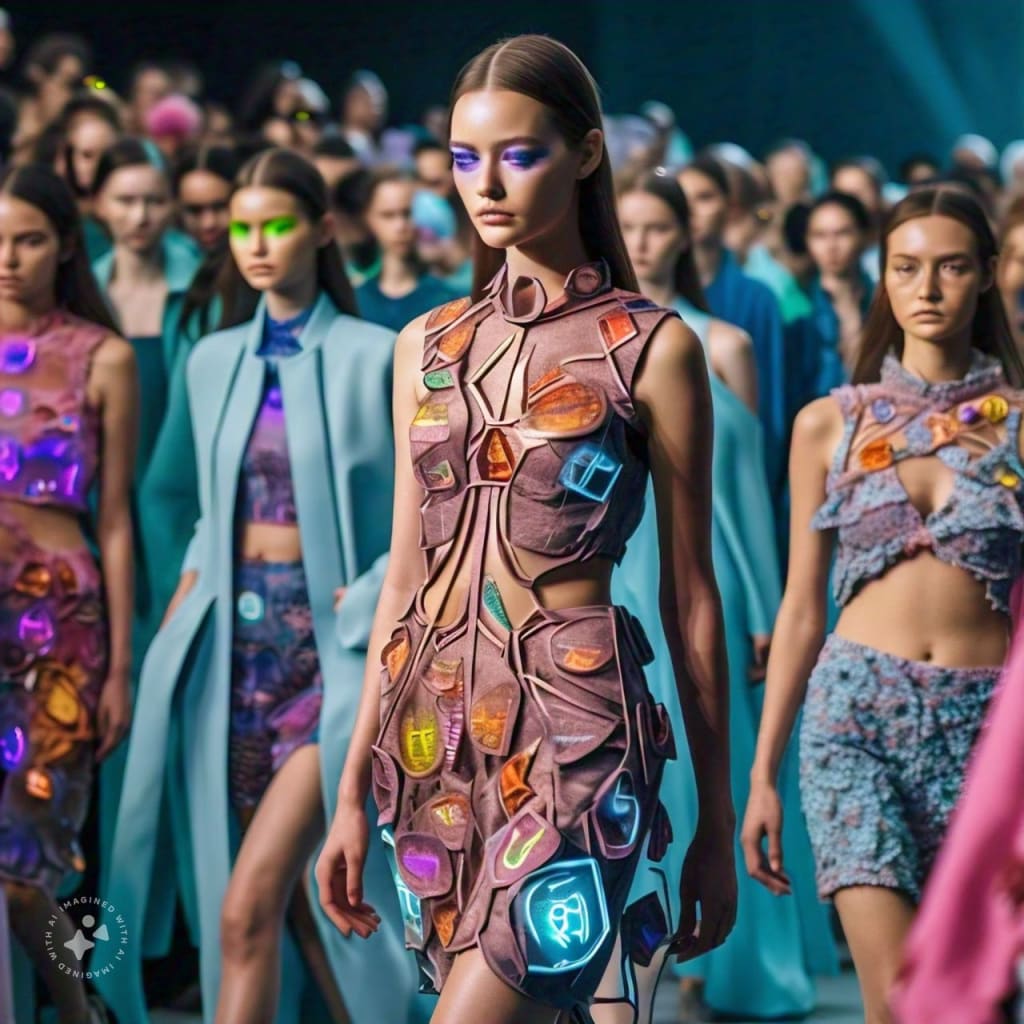


The untold story of fashion’s climate revolution
Intro: More Than a Trend – A Shift in Survival
Climate change isn’t just disrupting seasons — it’s rewriting our wardrobes. What once was a spring jacket now competes with scorching April heatwaves. Flip-flops in November? Not so weird anymore. But this isn’t just about weird weather and closet confusion. This is about a full-on metamorphosis in how fashion is designed, marketed, and worn.
Welcome to the era of climate change fashion — where style meets survival, and brands are being forced to ask not just what’s trending, but what’s sustainable, breathable, and built to withstand the unpredictable?
Let’s break it down.
Fast Fashion Meets a Slow-Burning Crisis
The Industry’s Dirty Laundry
Fashion accounts for about 10% of global carbon emissions. That’s more than international flights and maritime shipping combined. Yeah, combined. And yet, it’s an industry that thrives on newness — fast, cheap, and wasteful.
But as climate events grow more extreme, consumers are asking better questions. Not just “Is it cute?” but “Is it compostable?” or “Was this made in a water-stressed region?”
Fashion marketing has shifted from selling a vibe to selling values.
The Rise of Seasonless Design
Because the Weather Isn’t Reading the Calendar
Designing four neat seasonal collections? That’s starting to feel… quaint. With unseasonable temperatures now the norm, brands are ditching strict seasonal drops.
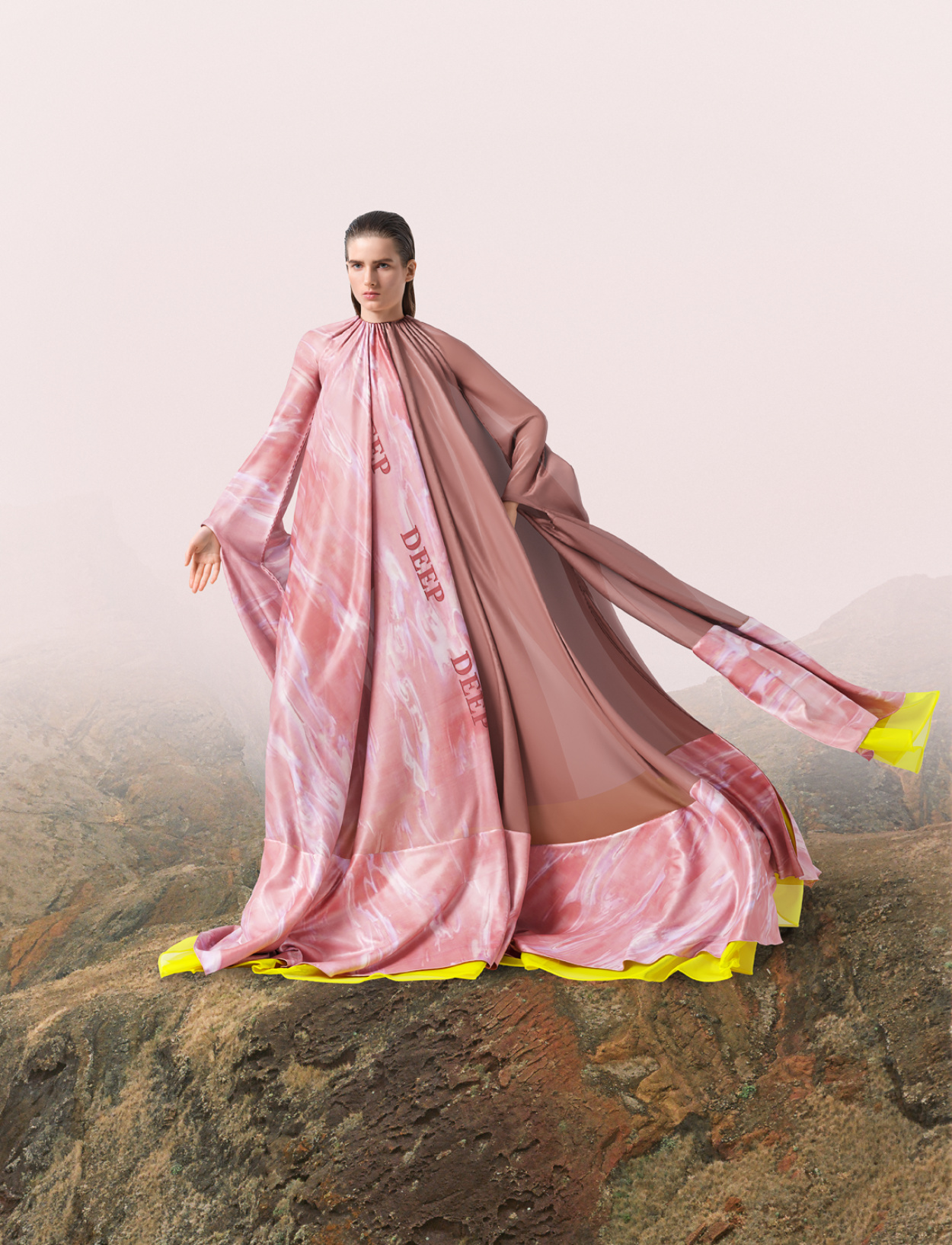
Look at Gabriela Hearst or Eileen Fisher — their collections blur seasonal lines with layering-friendly, trans-seasonal staples. Not only does this adapt to fluctuating climates, but it also extends the product’s lifecycle. A jacket that works in March and October? That’s future-proof fashion.
Marketing takeaway: “Buy now, wear forever” beats “limited drop” when climate is the wildcard.
Materials That Adapt, Just Like We Do
Nature and Tech in a New Relationship
Climate change fashion isn’t just about messaging — it’s innovation at the fiber level.
- Heat-reactive fabrics that cool when the temperature spikes.
- Mycelium leather that’s vegan, biodegradable, and grown — not tanned.
- Seaweed-based yarns that detoxify the skin and require little water.
Brands like Pangaia are leading the charge, combining tech and ecology into materials that perform. These aren’t gimmicks — they’re lifelines in a world where breathable, UV-blocking, and water-repellent clothes could be the norm.
Localism: Fashion’s New Cool
Global Supply Chains Are Melting Down
Flooded highways. Droughts stalling cotton farms. Factory closures due to extreme heat. The climate is forcing a rethink of long-haul manufacturing.
Suddenly, locally sourced, locally produced fashion is more than a hipster flex — it’s strategic resilience. Shorter supply chains mean fewer emissions and faster response to demand shifts caused by climate disruptions.
Marketing edge? Consumers love a local story. Telling buyers where and how their pieces were made matters more than ever.
The Psychology of Dressing for a Changing Planet
Comfort is the New Luxury
As climate anxiety creeps into daily life, fashion becomes emotional armor. Think about it: In an uncertain world, people want clothes that feel safe, functional, and calming.
- Earth tones that ground.
- Loose silhouettes that breathe.
- Textures that soothe.
Climate change fashion isn’t just external — it’s psychological. And fashion marketers need to tap into this headspace. Less flash, more feel.
Influencers of the Eco-Era
Activism Is Trending — For Real
Today’s style icons aren’t just on red carpets — they’re on climate panels. Emma Watson, Jaden Smith, and Venetia La Manna are shaping what it means to be stylish and woke.
Brands are now partnering with climate-conscious influencers to drive real conversations. These aren’t shallow collabs — they’re value alignments.
In marketing speak: the best campaign ROI in this space is reputation over reach.
Case Study: Patagonia’s Anti-Marketing Marketing
Let’s talk about the OG climate change fashion brand — Patagonia. The company has famously run ads telling customers not to buy their jackets.
It worked.
By putting purpose above product, they created brand loyalty that money can’t buy. Their entire business model is built around repairing, reselling, and rethinking consumption. That’s how you market to the climate-conscious.
Fashion marketing lesson: Being brave enough to tell people to buy less can make them trust you more.
What’s Next? The Future Is Modular, Digital, and Circular
The next frontier of climate change fashion is already unfolding:
- Modular garments that adapt to changing weather (zip-off sleeves, convertible hems).
- Digital fashion that reduces physical waste.
- Circular systems where clothes are designed to be taken apart, reused, or biodegraded.
As marketers, the story is clear: Fashion is no longer just a mirror of culture — it’s becoming a tool for survival.
Final Thread: Adapting Is the New Aesthetic
Fashion has always adapted to reflect society. But now, it’s responding to Earth itself. In a world shaped by climate chaos, what we wear is no longer just about personal expression — it’s about resilience.
So the next time you’re brainstorming a campaign, think beyond trends. Think temperature spikes. Think droughts. Think floods. And then ask: How can this collection not just sell, but serve?
Because if climate change fashion teaches us anything, it’s that looking good and doing good aren’t mutually exclusive — they’re the future of fashion.
Want to stay ahead in fashion marketing’s green revolution? Keep your finger on the pulse of innovation, consumer psychology, and climate storytelling — because the forecast isn’t just in the sky, it’s in the closet.