The Silent Revolution in High-End Fashion
Not all revolutions come loud. Some glide in like a feather on silk. That’s what’s happening with ultra-lightweight clothing—a trend that’s quietly reshaping the meaning of modern luxury. Gone are the days when opulence meant excess. Now, the elite are whispering about weight—or rather, the lack of it.
Think about it: When was the last time luxury felt like… nothing?
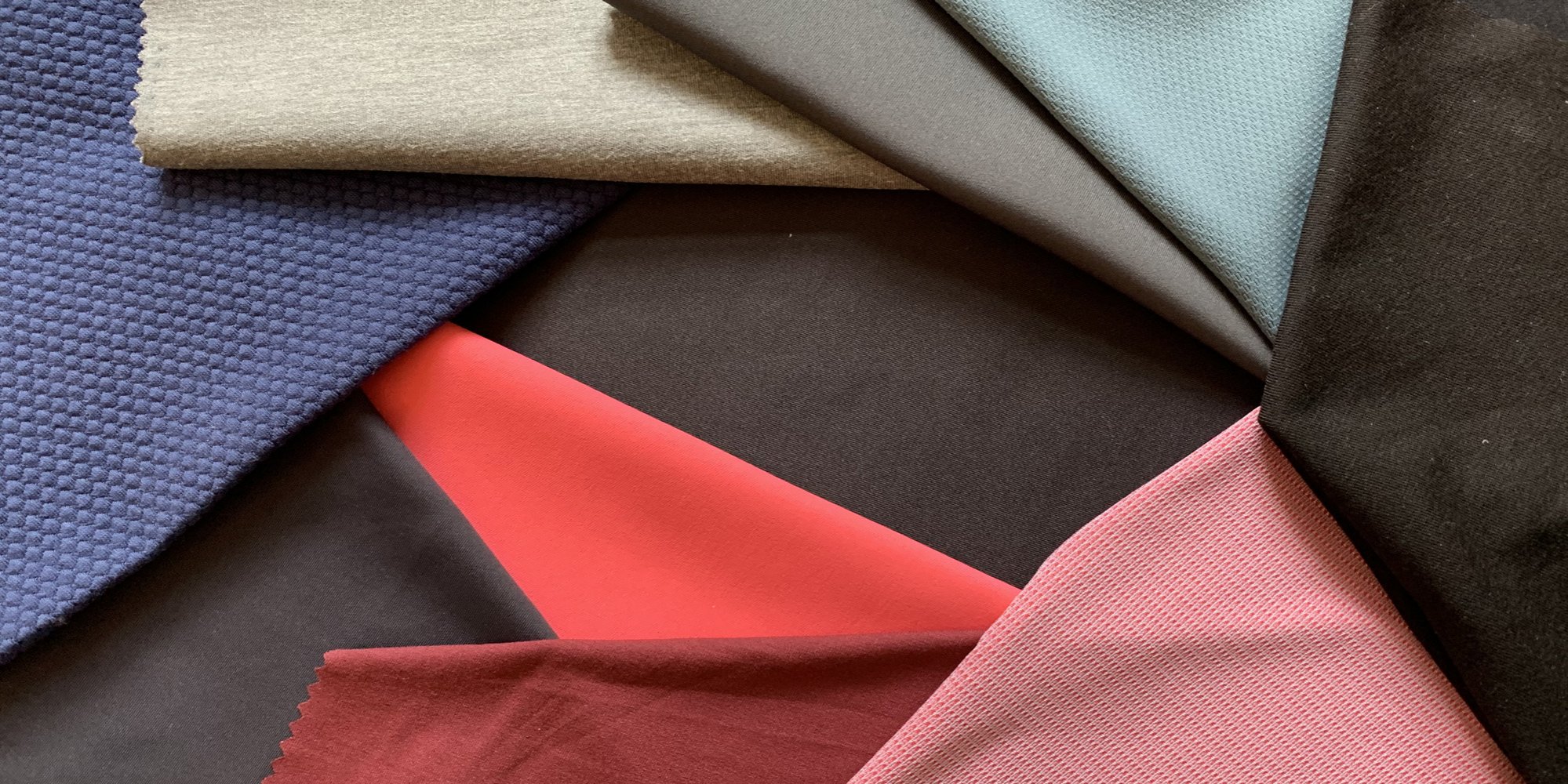
Weightless, But Not Worthless
We often associate luxury with substance. Think: a chunky Rolex, a heavy cashmere coat, the thick leather of a high-end handbag. But as our lifestyles evolve—lighter, faster, more fluid—so does our definition of value.
Today’s luxury consumers aren’t looking to be weighed down, literally or figuratively. They’re searching for freedom of movement, effortless style, and garments that travel as well as they do. Enter: lightweight fashion.
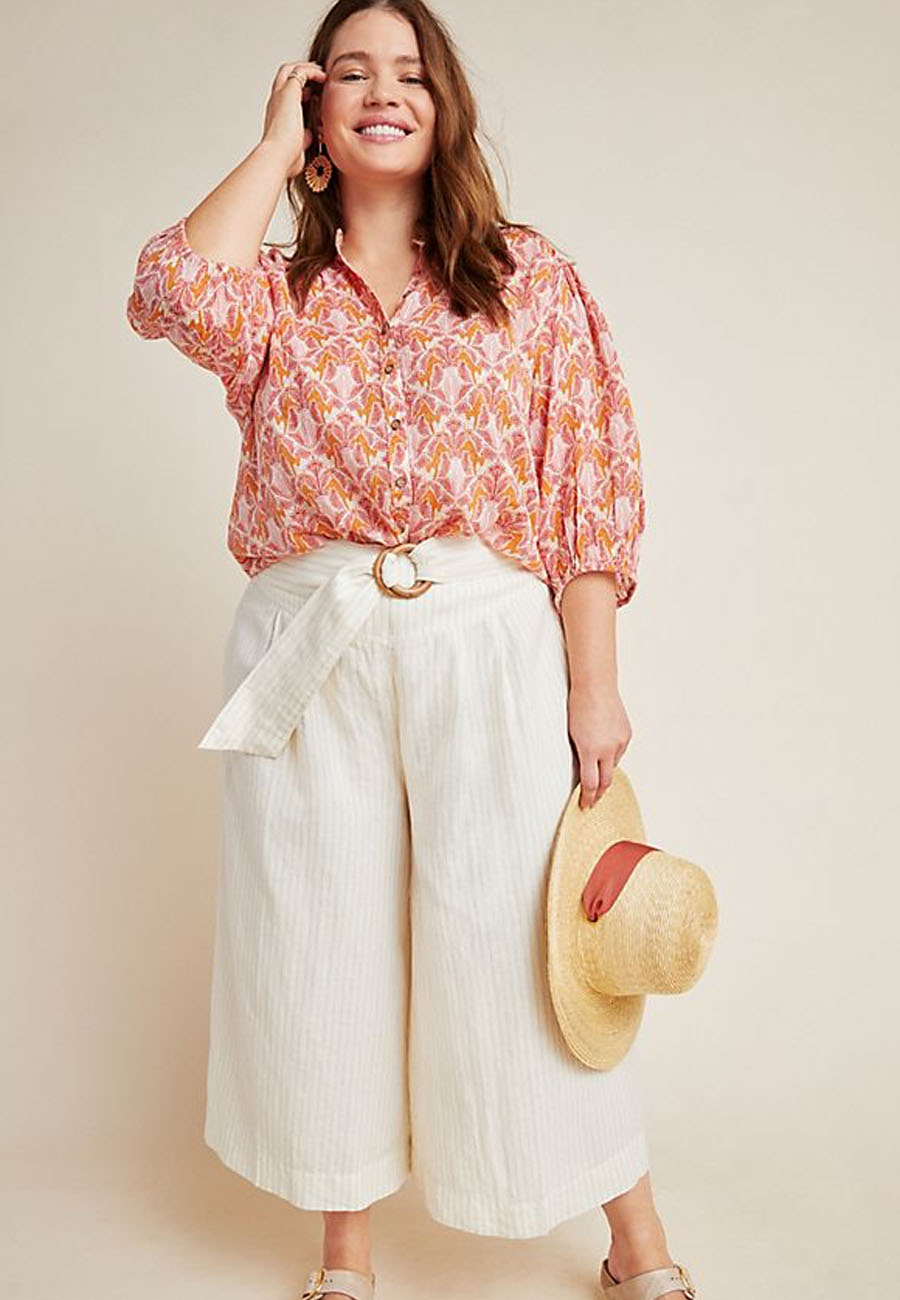
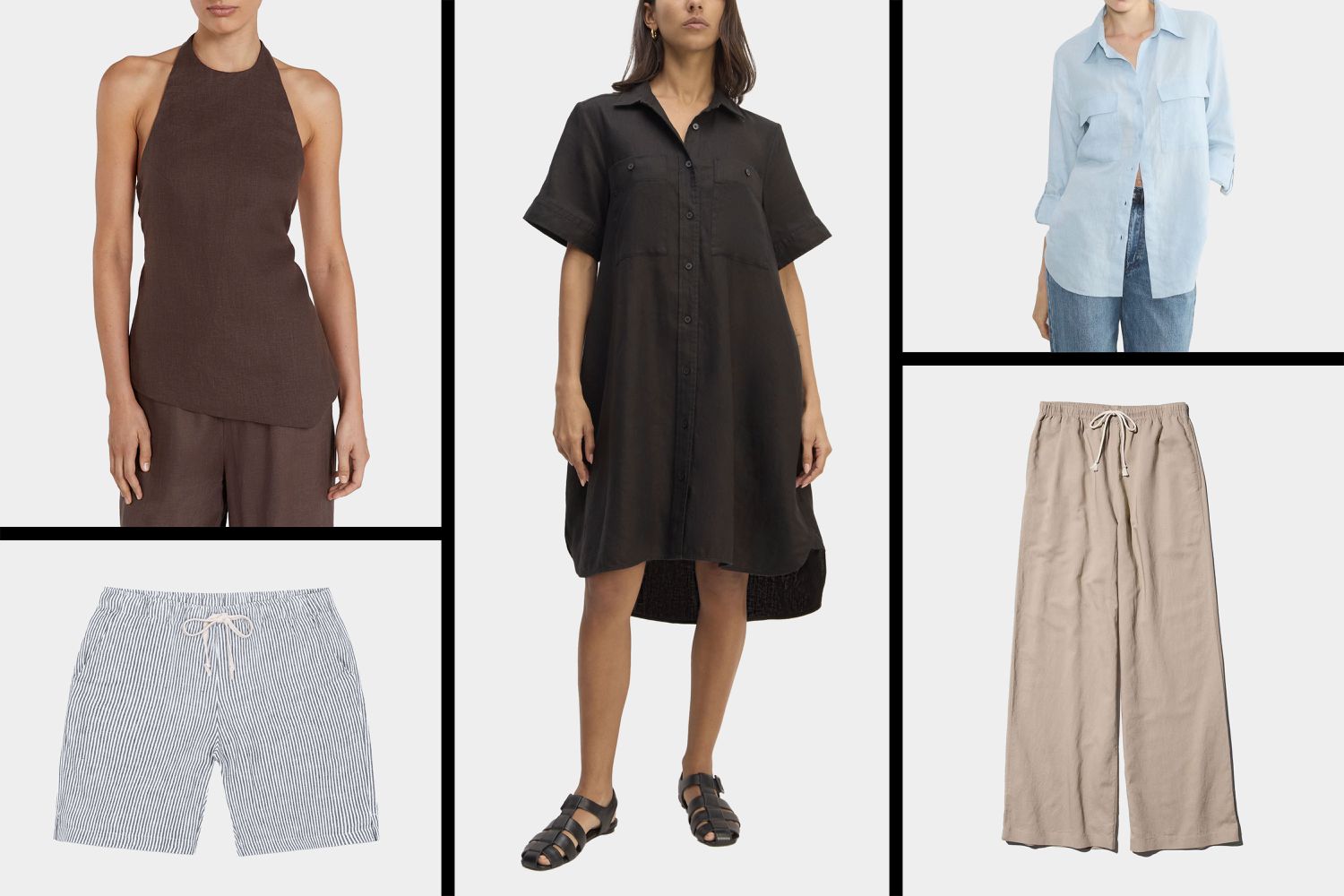
A pair of ultra-light trousers that fold into a carry-on. A blazer that feels like air but performs like armor. A shirt you barely notice, yet everyone else does. That’s the new status symbol.
Case in Point: The Air-Blazer at Milan Fashion Week
Let’s talk Milan. Not the trends you saw splashed across Instagram, but the subtle standout that insiders wouldn’t stop buzzing about—the “Air-Blazer” by an emerging Japanese designer. Made of a proprietary silk-microfiber blend, it weighed less than an iPhone but looked like it belonged in a penthouse boardroom.
Buyers from Paris to Seoul were intrigued. Why? Because ultra-lightweight clothing isn’t just a textile flex—it’s a lifestyle marker.
Less Bulk, More Brain
There’s genius in restraint.
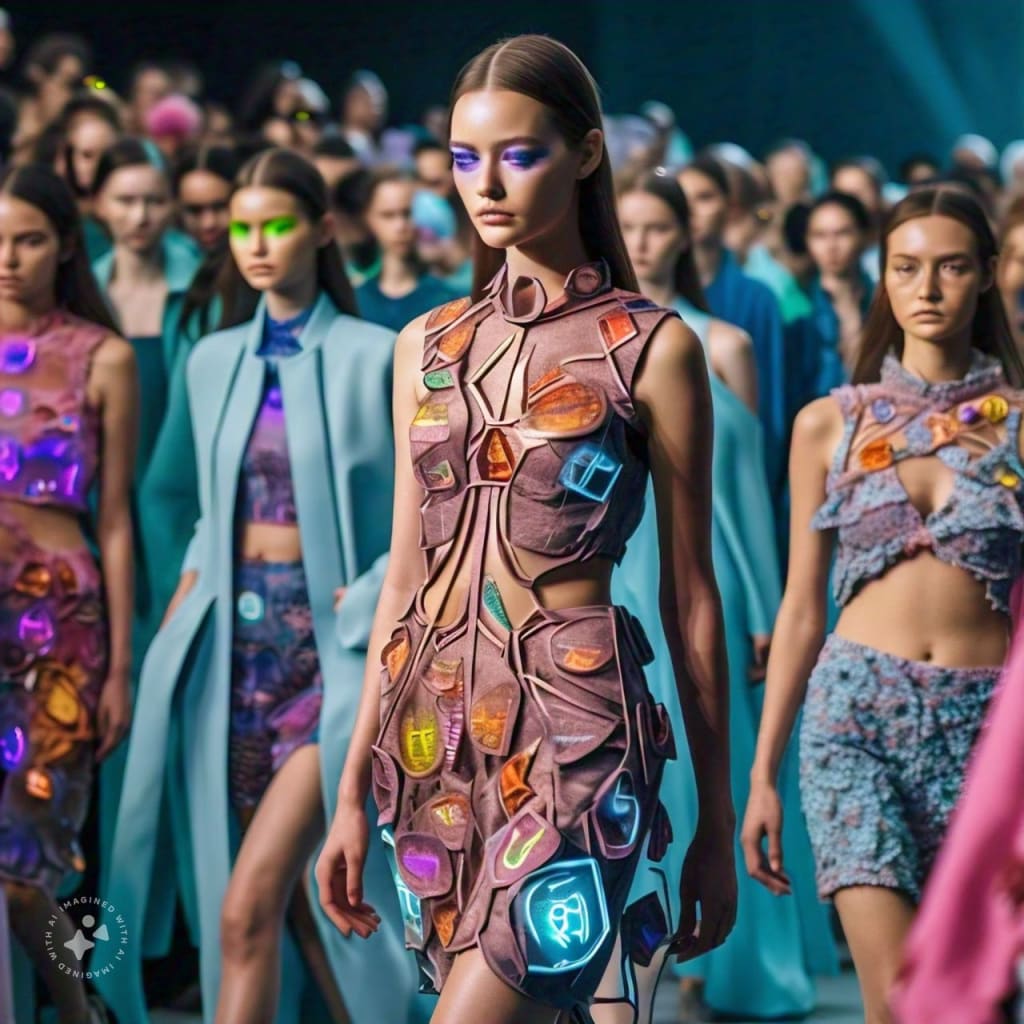
Brands like Stone Island, The Row, and Loro Piana are investing heavily in weightless innovation. We’re talking lab-tested fabrics, nano-insulation, and breathable membranes that make even high-performance outerwear feel like a breeze.
This isn’t just tailoring. It’s tech meets taste.
Fashion marketers, take note: lightweight fashion is ripe for storytelling. You’re not selling a coat. You’re selling the feeling of being unburdened, of floating through a city with intention and elegance.
The Psychology of Light
Here’s a wild thought: luxury isn’t about more—it’s about less. Less friction, less fatigue, less noise.
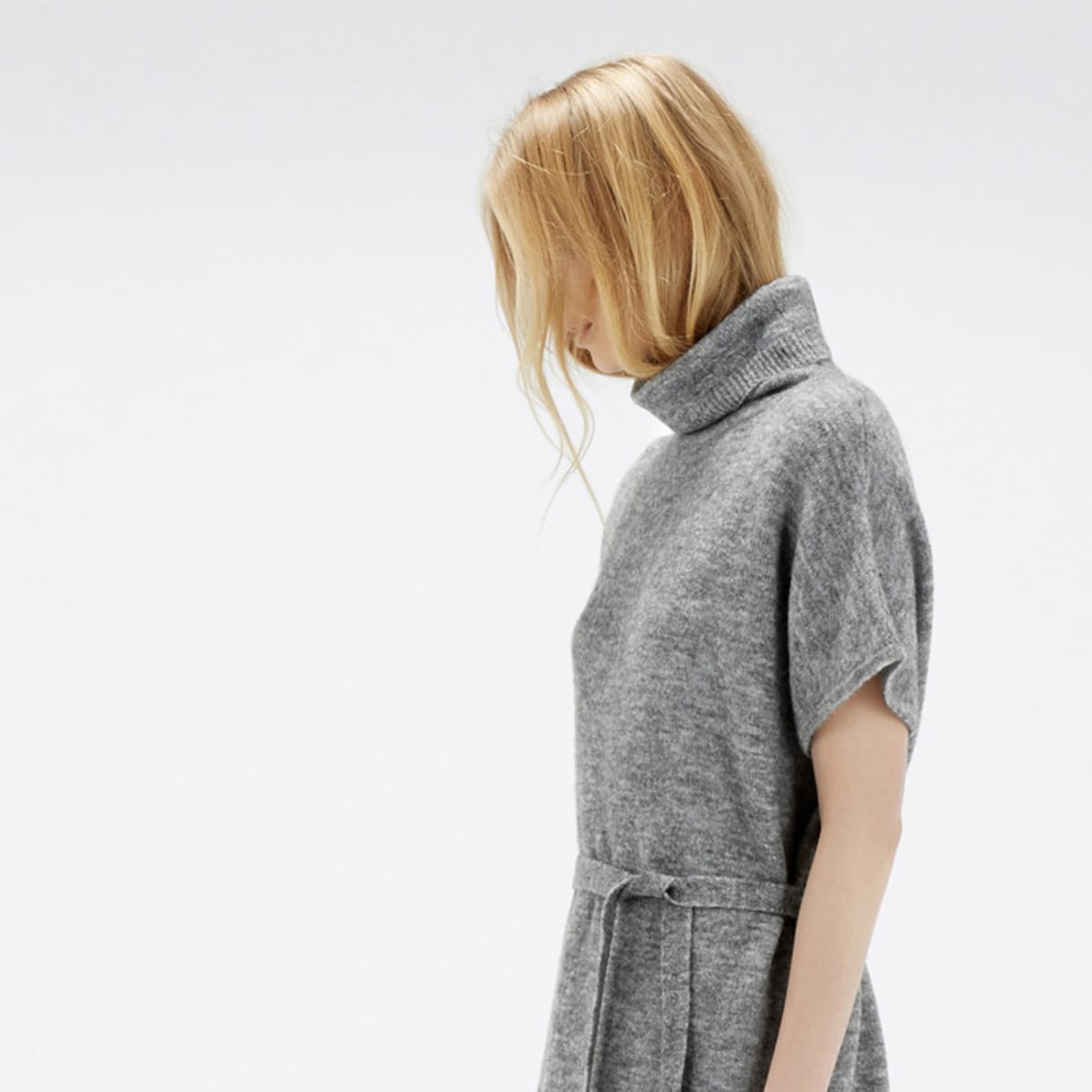
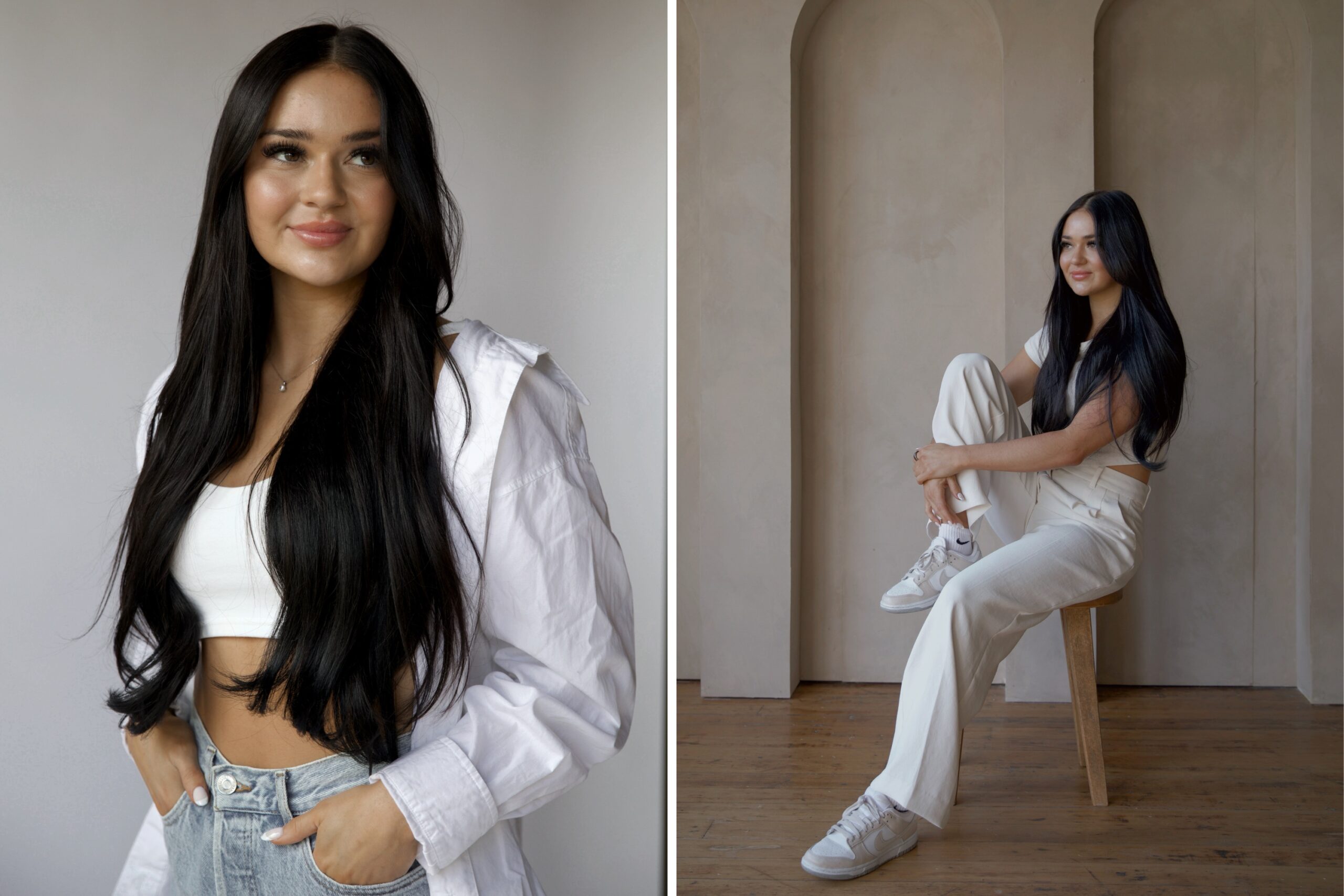
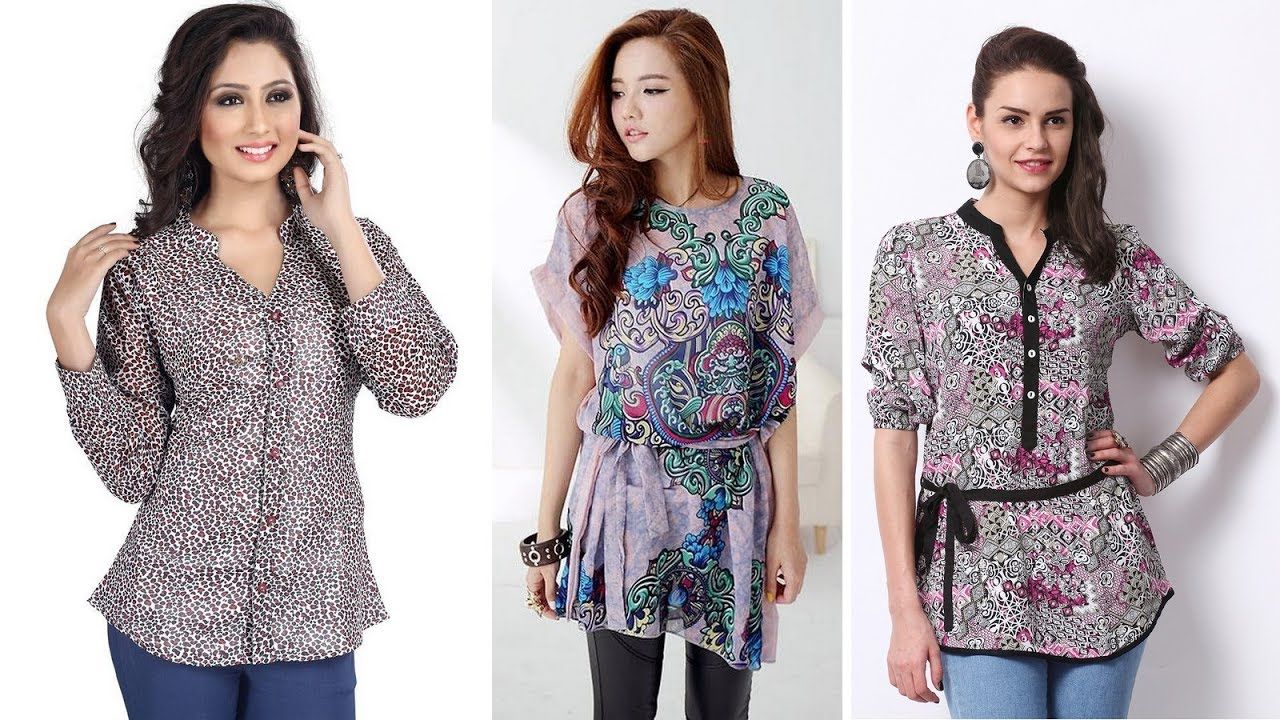
Consumers are over the peacocking. The post-pandemic psyche craves softness, comfort, quiet confidence. A flowing linen shirt that responds to the wind. A barely-there dress that hugs without holding. These are the pieces getting passed around elite circles. Not just because they’re beautiful, but because they feel good.
Emphasis on feel. Sensory pleasure is the new ROI.
Marketing Ultra-Lightweight Clothing: A Story, Not a SKU
Let’s get practical for a second. If you’re in fashion marketing, here’s how to ride this feather-light wave:
- Tell the story of the fabric: What makes it light? Is it sourced from a rare mountain plant? Engineered in a Swiss lab?
- Use metaphors: Don’t say “light.” Say “like wearing a whisper.”
- Highlight movement: Motion sells. Show your garments in action—on a breezy terrace in Ibiza, on a fast train through Tokyo.
- Lean into minimalism: Visually and verbally. Your campaigns should breathe. Let your audience feel the air.
A Luxury That Travels Well
Remember the days when luxury stayed locked in a vault or folded in tissue paper? Those days are gone. Today’s luxe must pack well, wear well, and move with the moment.
Whether it’s a CEO zipping between continents or a digital nomad lounging in Lisbon, your audience demands fashion that works like tech but feels like freedom. Lightweight fashion delivers that promise—and does it beautifully.
Final Take: Light Is the New Heavy
To dismiss ultra-lightweight clothing as a gimmick would be a mistake. This is not a passing breeze. It’s a recalibration of what it means to feel luxurious.
Because in a world heavy with information, pressure, and performance, wearing something light—truly light—feels radical. And that, dear marketers, is where luxury lives now.